Science news summaries
Essential facts and source links for recent science stories.
-
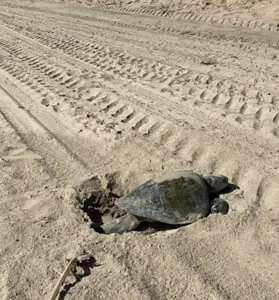
Two olive ridleys lay eggs in California’s first recorded natural sea turtle nesting
Two olive ridley sea turtles nested near Seal Beach and Huntington Beach, the first recorded natural nesting by any sea turtle species on the U.S. West Coast. A NOAA researcher said El Niño very likely helped bring them north. -
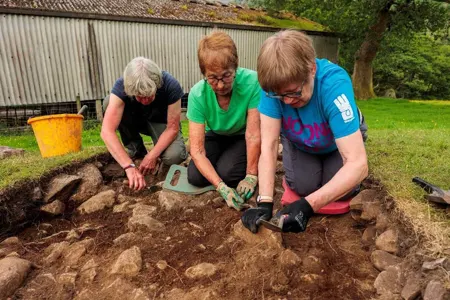
Lake District volunteers uncover settlement occupied from late Iron Age into Roman period
Twenty-five volunteers uncovered the rare, enclosed Deepdale Bridge Settlement in England’s Lake District, revealing a community that lived there from the late Iron Age into the Roman period, about 2,000 years ago. Finds include roundhouse remains. -
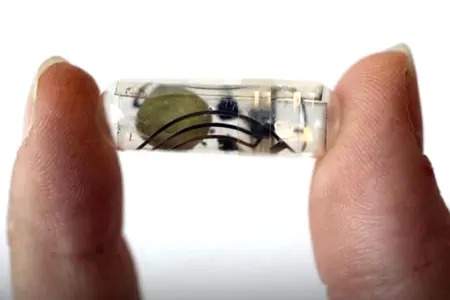
Lab tests show MIT’s dissolvable battery powered devices for up to three days
MIT’s bioresorbable battery for internal medical devices has so far been tested only in pigs. Lab tests showed it generated 1.84 volts and powered devices for up to three days before breaking down without harmful fragments or toxins; a clinical trial is planned within two years. -
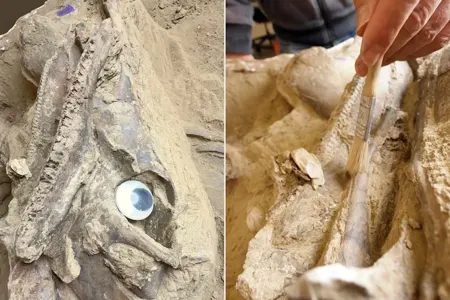
Burke Museum offers a look inside cleaning a Montana hadrosaur fossil
Seattle’s Burke Museum is sharing videos of staff cleaning a sub-adult hadrosaur skull. The dinosaur, identified as Edmontosaurus annectens, was found in Montana and is estimated at about 20 feet long; googly eyes mark where its eyes are believed to have been. -
Cortex report finds 13 of teen’s 15 sampled thoughts were personal memories
A Cortex case report says 16-year-old KCL met criteria for highly superior autobiographical memory: 13 of 15 sampled off-task thoughts (87%) were personal memories, versus about 39% in comparison data. The pattern was specific to personal memories, not general mind-wandering. -
AI-training link remains unproven for US shipment of over 50 tons of Japanese books
Japanese used-book sellers reported a bulk-order surge from around August 2026, with some days’ sales about five times normal. Separately, records show over 50 tons of “Japanese books” shipped to the US, but do not link that cargo to the orders or confirm AI training. -
Rare white lobster Casper joins Maine genetics research
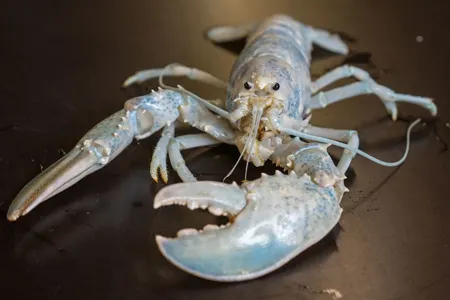
Casper, a white lobster, was donated by the Maine State Aquarium to the University of New England in Biddeford, where researchers will study its shell color with noninvasive genetic methods. The odds of finding a white lobster are estimated at one in 100 million. -
Researchers begin drilling Turkey’s Durupınar formation to test Ark theory
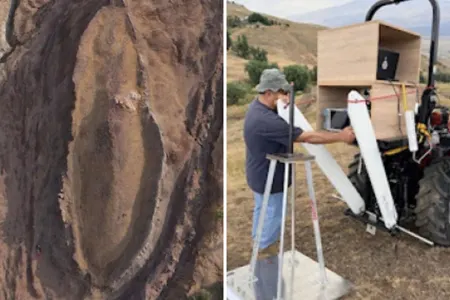
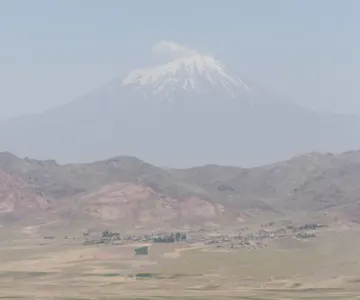
Researchers are drilling Turkey’s 515-foot boat-shaped Durupınar Formation, which they believe may contain Noah’s Ark remains. Andrew Jones says samples from nearly 60 feet down include organic material that could be decayed Ark remains; laboratory analysis is pending. -
Rat study reports weeks-long nerve blocks from nested pufferfish-toxin liposomes
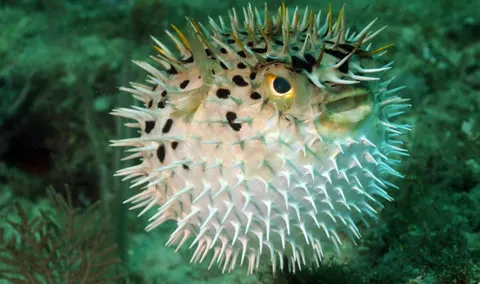
With 260 μg of tetrodotoxin in nested liposomes, rat tests found median sensation recovery around day 13; full sensation returned over two to three weeks. A commercial comparator's nerve blocks lasted four to eight hours. This remains preclinical, not a human treatment. -
Over 100 AI experts offer competing views on existential risk
Over 100 AI experts offer differing views on whether advanced AI could threaten humanity. A 2023 survey of 2,778 publishing AI researchers found roughly 40–50% put the chance of extinction or similarly permanent human disempowerment at 10% or more, depending on wording. -
New research points to possible chambers behind Tutankhamun’s tomb
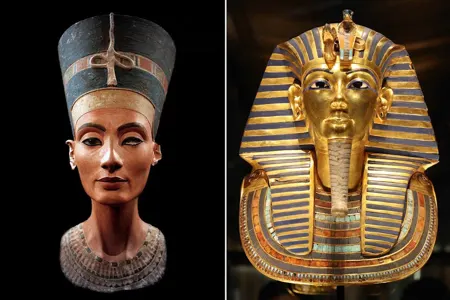
Geophysical surveys suggest Tutankhamun’s tomb may form part of a hidden complex, raising the possibility that Nefertiti’s lost tomb lies behind it. Egypt’s Supreme Council of Antiquities is due to decide later in September whether to approve exploration. -
Genome-and-fossil study points to bats originating in Europe about 65 million years ago
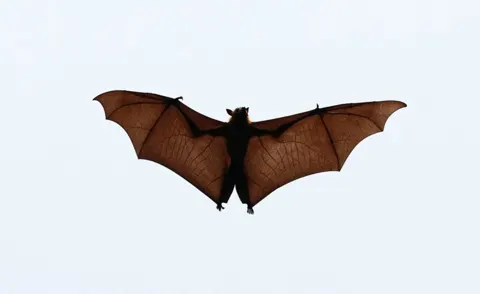
A study of genomes from 103 bat species and 44 bat fossils points to Europe as bats' birthplace about 65 million years ago, after the dinosaur extinction, before they spread worldwide. It also places echolocation near the start of bat evolution. -
A Grand Teton whitebark pine sets an age record at about 1,289 years
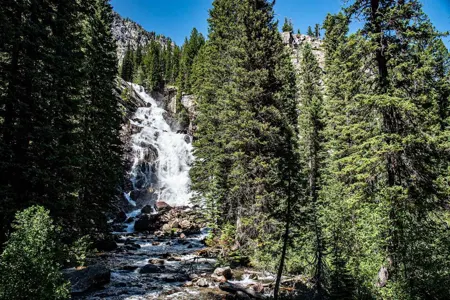
Jared Friedman found a whitebark pine in Grand Teton National Park that was about 1,289 years old when mountain pine beetles killed it in 2021. It is the oldest recorded whitebark pine, 22 years older than the previous record; Friedman counted 1,275 rings and modeled 14 more. -
States invited to compete for U.S. Space Academy site by Oct. 26
NASA is inviting states to compete to host the new U.S. Space Academy, with proposals due by 6 p.m. EDT Oct. 26. Each state may submit one bid, addressing site readiness, environmental and regulatory factors, and proximity and supporting ecosystems. -
Study finds 1,059 diseases associated with aging in 16 body systems
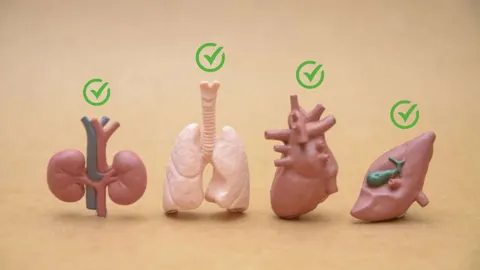
Researchers used blood proteins from 53,014 UK Biobank participants to estimate aging in 16 organs and systems. They found 5,436 significant links to 1,059 diseases, including 655 that developed later and 404 already present; the findings do not prove causation. -
Satellite study finds sharks, turtles and whales select ocean habitats
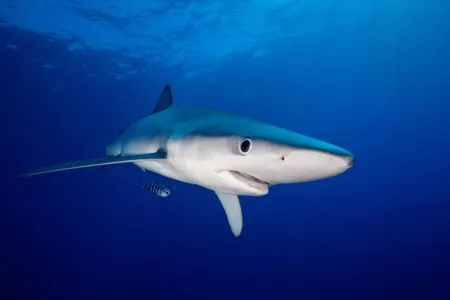
Satellite tracking of 82 blue sharks, leatherback turtles and fin whales in the Northwest Atlantic found all three selected certain ocean habitat types, or “Seascapes,” including productive waters. Fin-whale results were less certain. -
Eight researchers to share up to $20 million from Schmidt Sciences
Schmidt Sciences will provide up to $20 million over five years to eight 2026 Schmidt Polymaths, giving each as much as $2.5 million to pursue research beyond their established fields, including work on immunity, climate-resilient crops, AI and cosmology. -
Study links Alzheimer’s to impaired bone marrow monocyte development
Researchers found impaired monocyte development in mouse models of Alzheimer’s, with a similar pattern in patients. In mice, targeted therapy restoring bone marrow monocyte production improved disease pathology and increased monocyte-derived macrophages’ movement into the brain. -
FDA testing finds elevated patulin; Wakefern recalls Wholesome Pantry applesauce
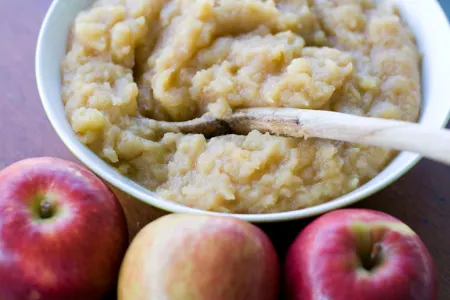
Wakefern recalled select jars of Wholesome Pantry Organic Unsweetened Apple Sauce after FDA testing found patulin above safety limits. The company says not to eat it; customers can return it for a refund or replacement. No illnesses or injuries were reported as of Sept. 22. -
Jersey releases list of 111 fields treated with biosolids in 2024 and 2025
Jersey has published the 111 fields where biosolids fertiliser was spread in 2024 and 2025. Infrastructure Minister Jonathan Renouf said scientific tests found no PFAS contamination in them; the list was released in line with an information commissioner's decision. -
Reform UK seeks to end North Northamptonshire’s climate emergency declaration
Reform UK councillor Leon Gibbs has proposed ending North Northamptonshire Council’s 2021 climate-emergency declaration, arguing it makes little sense alongside a carbon-neutral target now set for 2050. Full council is due to consider the motion later. -
Bulgaria’s battery fleet aids power exports amid regional drought
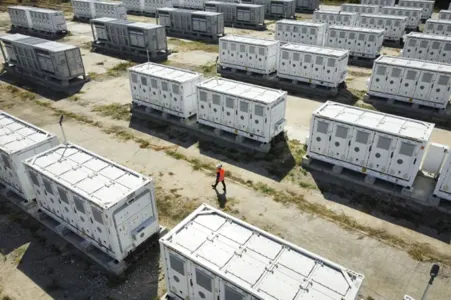
About 100 battery-storage sites have helped Bulgaria balance solar surpluses as exceptionally low Danube levels disrupt nuclear and hydro generation in Eastern Europe. July and August net exports reached about 830 GWh per month, more than twice the May–June average. -
Study reports Mount Elgon elephants mix medicinal plants with milk for young
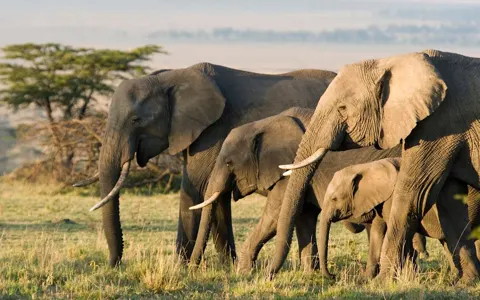
Researchers report that Mount Elgon's cave elephants in Kenya use medicinal plants for their young: mothers were seen chewing roots and leaves and mixing them with breast milk. The team believes the herds use at least 35 plant species. -
Two weeks of pumping improve oxygen in Kirby Muxloe Castle’s moat
Environment Agency officers found very low oxygen in the moat at Kirby Muxloe Castle in Leicestershire on 30 August after reports of distressed fish. The agency and Kirby Muxloe 87 fishing club pumped oxygen for about two weeks; levels improved and pumping ended last week. -
25 pilot whales guided from Thames to sea; two die during rescue
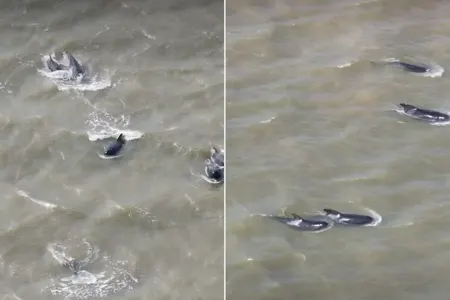
Rescuers guided 25 of 27 pilot whales from the Thames back to sea near Gravesend on Sept. 19 in a six-hour operation using eight boats; two whales died during the wider, days-long effort. Officials said the river is too shallow and lacks food for them. -
A Yellowstone super-eruption scenario traces ashfall and global climate impacts
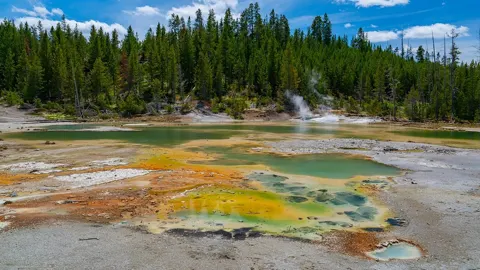
In a hypothetical worst case, a Yellowstone super-eruption could spread ash across North America, disrupting power, transport, water and food supplies; sulfur dioxide aerosols could temporarily cool the climate. The scenario is not a forecast of an imminent eruption. -
Researchers drill Turkey's Durupınar formation, still unproven as an Ark site
Researchers have begun core drilling at Turkey’s boat-shaped Durupınar Formation, which an expedition is investigating as a possible Noah’s Ark site. The team reports underground anomalies, but evidence has not established that the formation is man-made or the biblical vessel. -
PFOA readings suggest higher health risks for 70% of Lancashire volunteers
49 Thornton-Cleveleys residents volunteered for PFOA blood tests; 70% had readings that could indicate increased health risks under US and German guidelines. The UK has no recommendation on acceptable PFAS levels in people; elevated readings do not mean illness is certain.