

Space-farming systems such as hydroponics and sensor-controlled greenhouses could supply fresh produce in arid, high-altitude and remote areas. OPIT professor Sylvester Kaczmarek told Forbes they suit high-value crops, but costs and energy use limit wider adoption.
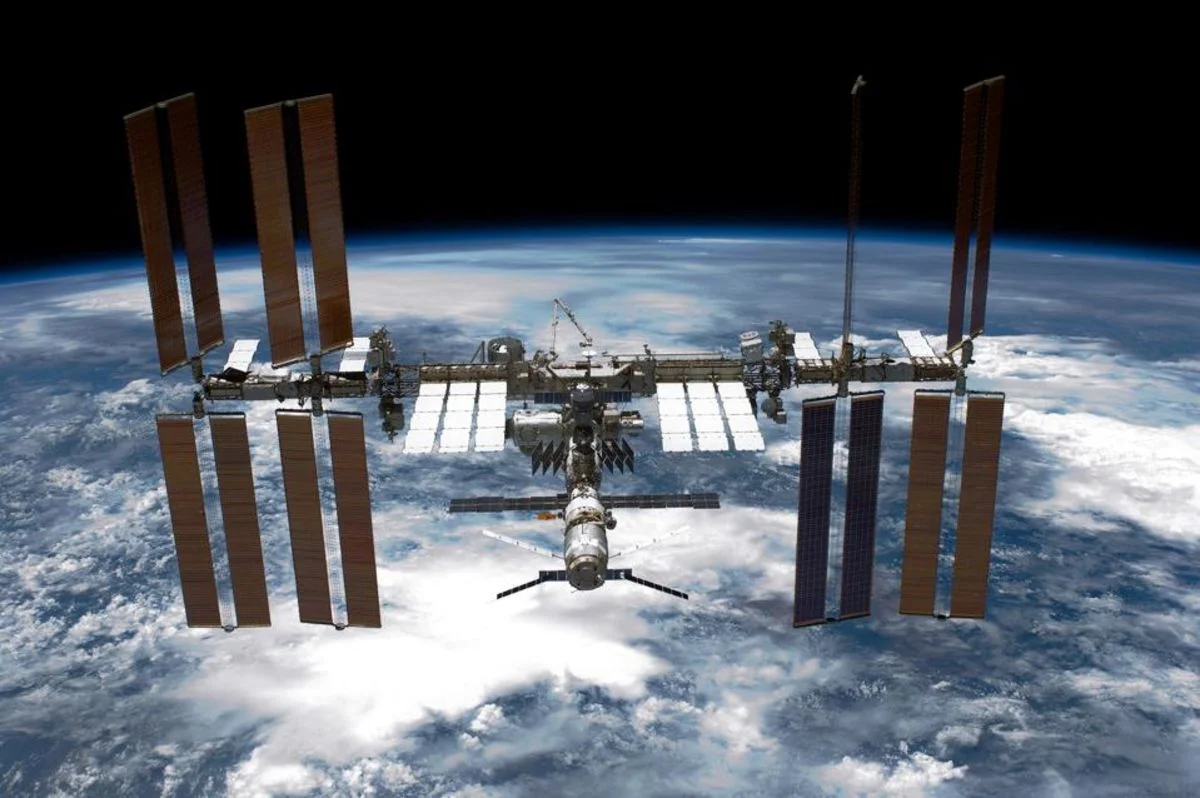
NASA’s Veggie system has grown red romaine lettuce, mizuna mustard greens and dwarf cherry tomatoes aboard the International Space Station; the station’s Advanced Plant Habitat uses more than 180 sensors. Hydroponic and aeroponic methods, LED lighting and closed-loop water and nutrient controls developed for constrained growing conditions are also used in indoor farms on Earth.
Indoor and vertical farms can grow crops in compact spaces and bring produce closer to city consumers, while controlled environments can help farms operate through drought, freezing weather or short growing seasons. However, lighting and climate control can drive energy bills and emissions; outages or equipment failures could ruin a crop within hours. These systems generally suit leafy greens and herbs better than staple crops, and Kaczmarek described them as a resilience layer alongside conventional agriculture, not a replacement.
