

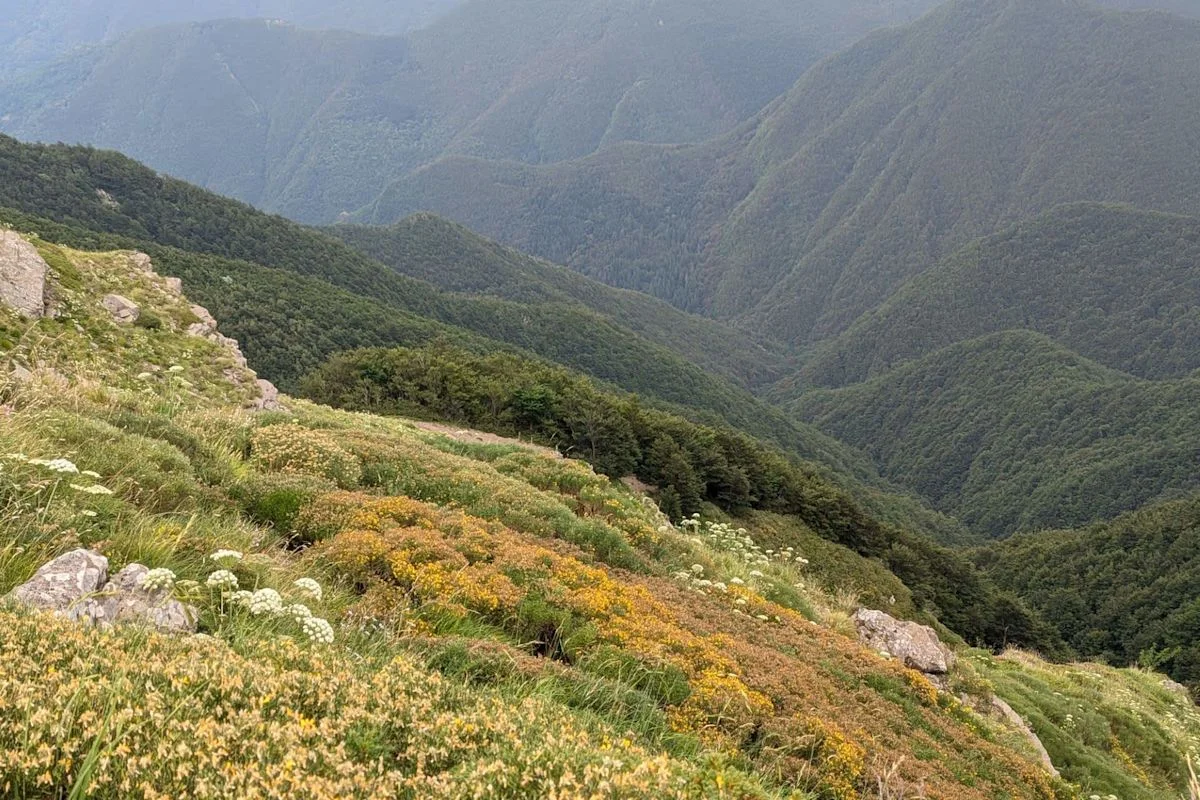
A University of Florence-led study attributes most Apennine seismic activity to lower-crust delamination, not subduction alone: the crust peels away and sinks into the mantle, shifting stresses in the upper crust and potentially triggering earthquakes.
Researchers based their interpretation on earthquake records, GPS measurements, satellite observations and tectonic modeling. For about 50 million years, the north-moving African plate has driven the ancient Tethys Ocean beneath the Apennines. The collision produced compression and stretching and formed nearby basins, including the Tyrrhenian Sea about 10 million years ago.
Stefano Tavani said similar processes may be occurring near the Hellenic trench south of Greece. Continued monitoring using earthquake catalogs, satellite data and GPS can help track crustal movement and support risk planning, including hazard maps, building standards and emergency preparedness.
