Science news summaries — Page 5
Essential facts and source links for recent science stories.
-
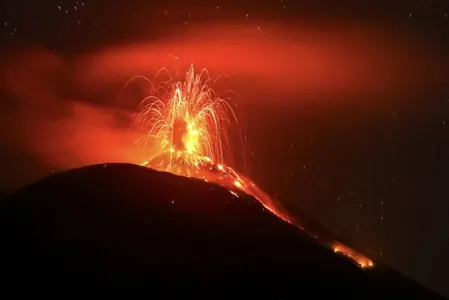
Experts say HAARP could not trigger six Indonesian volcano eruptions
Experts say Alaska’s HAARP facility could not have triggered eruptions at six Indonesian volcanoes in August 2026, despite social-media claims. Indonesia’s volcanology chief said the volcanoes operate independently, with no evidence of one process linking them. -
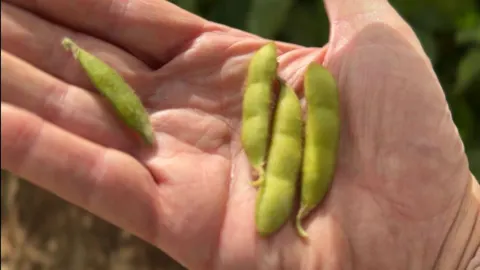
Warwickshire gene-editing trial yields a healthy soya crop
In a Warwickshire trial, Corteva's gene-edited soya produced a healthy harvest, suggesting soya may be grown in Britain despite the cooler climate. Researchers removed a gene that suppresses early flowering, giving plants more time to mature. -
Neptune reaches opposition with a nearly full Moon nearby Sept. 25
Neptune reaches opposition at 10 p.m. EDT Sept. 25, putting it at its best for viewing, but a nearly full Moon nearby may make it harder to spot. In southern Pisces, it stands nearly 50° high around local midnight and requires binoculars or a telescope to see. -
Heata routes business-server waste heat into UK homes’ hot-water tanks
Heata installs rented business servers in UK homes and routes their waste heat into hot-water cylinders, reducing gas-heating demand. It says it pays for additional electricity and aims to provide about 80% of the heat for a home's heating system. -
Insect-cuisine advocate David George Gordon, known as the ‘Bug Chef,’ dies at 76
Food writer David George Gordon, known as the “Bug Chef,” died Aug. 4, 2026, aged 76. In cookbooks including The Eat-a-Bug Cookbook, he promoted insect dishes for taste and nutrition, offering recipes from chocolate-dipped ants to cicada pizza. -
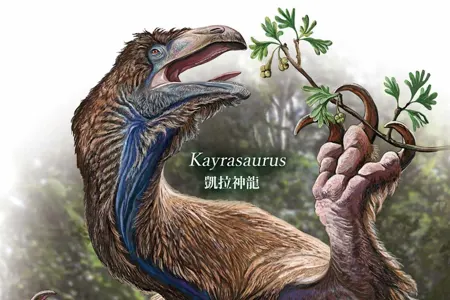
Researchers describe nearly 12-foot Kayrasaurus changliensis with curved claws
Researchers describe Kayrasaurus changliensis, a therizinosaur from western China, based on a nearly complete skeleton missing its hind limbs. It lived about 125 million years ago, was estimated at 11.8 feet long and had strongly curved claws on three fingers. -
California gets record 580 MW from Sunrun and Tesla home batteries
More than 140,000 Sunrun and Tesla home batteries sent a record 580 MW to California’s grid during a three-hour evening period in the Sept. 9 heat wave. About 110,000 Tesla Powerwalls supplied 517 MW; 30,000-plus other batteries contributed 63 MW. -
At UN, Nepal’s PM calls deadly August flood a climate warning
At the U.N. Thursday, Nepal’s Prime Minister Balendra Shah called August’s flood a climate warning and urged action. It killed at least 1,400 people, with more still missing; scientists link climate-driven permafrost melt to instability in the partly collapsed glacier. -
A hypothetical Venus moon could have spiraled inward, study models suggest
A new study modeled hypothetical moons around Venus and found that the planet’s 243-Earth-day rotation could pull them inward; many simulations ended in a collision. The researchers stress the work does not establish that Venus ever had a moon. -
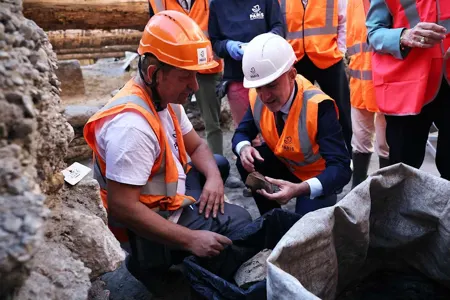
A 72-foot wall found in Paris may illuminate Caesar-era Lutetia
Archaeologists found a 72-foot stone-and-wood wall at Hôtel Dieu on Paris’s Île de la Cité. Initial carbon dating of wood at the site suggests it dates to 200–10 B.C., potentially shedding light on Gallic Lutetia, the settlement that became Paris. -
Field gentians missing from New Forest for second year; wider southern loss possible
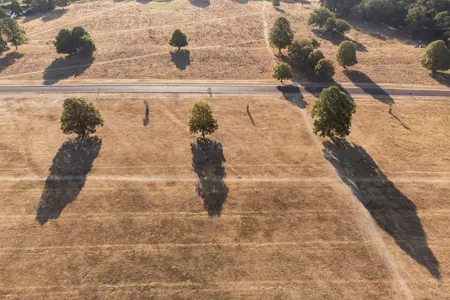
The Species Recovery Trust has been unable to find any field gentians in the New Forest for a second year, after hot, dry summers in 2025 and 2026. It warns the flower may be gone from southern England, though a wet summer next year could help it return. -
Fintea manager reports May–June tea output 30% below typical levels at five co-ops
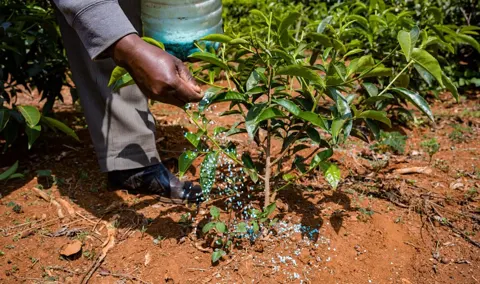
The Independent says Kenya supplies roughly half of Britain's black tea. Western growers say erratic weather is cutting harvests and incomes. Fintea manager Nelson Ngeno said output across five cooperatives was 30% below typical harvest levels in May and June. -
Nepal minister urges wealthy nations to fund flood recovery and resilience
Nepal's Foreign Minister Shisir Khanal urged wealthy nations to fund recovery and climate-resilient communities after a flood that killed more than 1,400 people and left 6,000 people still missing. The government preliminarily estimates the disaster's cost at $5 billion. -
Nepal PM calls deadly floods a climate warning, seeks help to adapt
A glacial mountain collapse on the Nepal-China border triggered last month’s floods, killing more than 1,400 people; 6,000 remain missing. At the UN, Prime Minister Balendra Shah called the floods a warning about climate change and urged countries to help Nepal adapt. -
FDA elevates Vitruvias thyroid-tablet recall to its Class I tier
The FDA raised Vitruvias Therapeutics’ recall of one lot of 30 mg thyroid tablets to Class I, its highest warning level. The company said the tablets were stronger than intended; patients should consult a provider before stopping or switching. -
Experimental K-9 reversed vision loss and paralysis in mice with MS-like symptoms
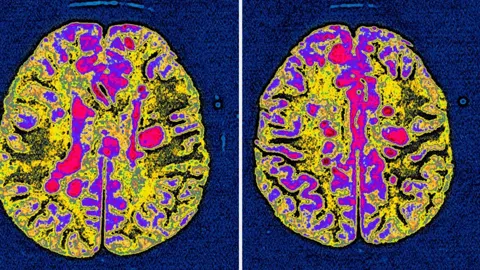
An NIH study found experimental drug K-9 reversed vision loss and paralysis in mice with MS-like symptoms, apparently by blocking an inflammasome linked to nerve damage. Health records suggested people taking similar antivirals were less likely to develop MS or have relapses. -
Wildlife guide says viral bison-grizzly clip is likely AI-generated
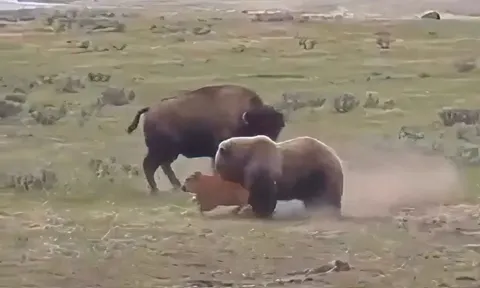
Wildlife guide Bo Welden says a widely shared clip purportedly showing a Yellowstone bison charging a grizzly is not his footage and is likely AI-generated. Axiom had credited him with recording it in the park; the reel had passed 50,000 views. -
Hundreds of southern right whale calves die in Patagonia; bacteria suspected
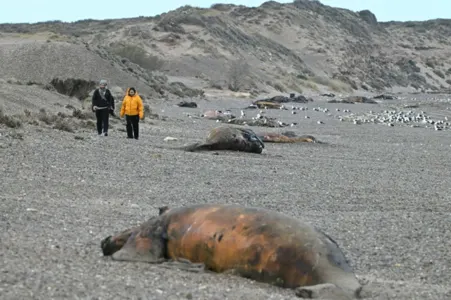
Veterinarians suspect erysipelas, a bacterial disease, in the deaths of hundreds of southern right whale calves in Argentina’s Patagonia. Dozens of dead calves washed ashore in Chubut this week, continuing a trend since June; Coscarella said human activity cannot be ruled out. -
Catestatin reduced Alzheimer’s-linked proteins in mice, study finds
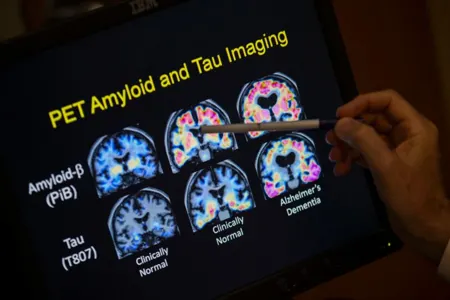
UC San Diego researchers found that injections of the naturally occurring peptide catestatin reduced tau and amyloid buildup and brain inflammation in mice with neurodegenerative symptoms, while improving cognition and motor coordination. Effects in humans remain unknown. -
NHS to pilot genomic test that identifies brain tumour types in two hours
NHS England plans a five-centre pilot of a genomic test that can identify a brain tumour’s type in two hours, rather than up to eight weeks. The test could guide surgery and speed treatment; Steve Palmer’s surgeons received his result during surgery. -
Study finds nearly 17% of children starting GLP-1s had nutrition-related diagnoses within a year
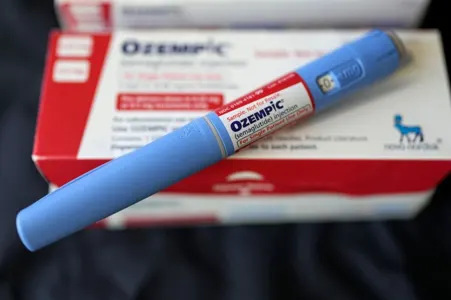
A study of medical claims for 2,031 patients ages 10–17 found 16.88% had a nutrition-related diagnosis within a year of starting a GLP-1 drug. The researchers said it was designed to describe real-world patterns, not establish that the drugs caused the diagnoses. -
Starship launch rehearsal wraps as SpaceX targets Sept. 28 orbital test
SpaceX completed Starship’s wet dress rehearsal Sept. 24, fueling the rocket and running through launch steps without engine ignition. Flight 14 is set for Sept. 28 and is intended to be Starship’s first orbital test, with Ship set to deploy 26 Starlink Version 3 satellites. -
UN unanimously affirms maritime zones remain as seas rise
The UN unanimously adopted a resolution urging action on rising seas through emissions cuts and resilience funding for vulnerable countries. It says maritime zones remain as coasts retreat and a state would not necessarily lose statehood if one constituent element disappears. -
A 2019 robot survey found over 1,000 Antarctic rockfish nests in the Weddell Sea
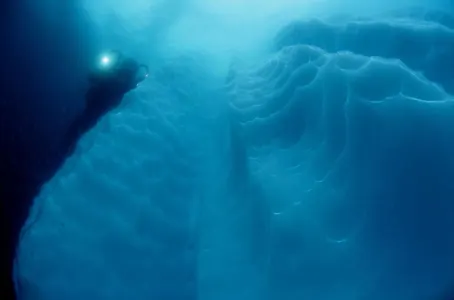
A robot found more than 1,000 Antarctic rockfish nests in clusters in the Weddell Sea in 2019. Researchers say the layout suggests fish in central nests gain safety in numbers; expedition data are also being used to support a proposed marine protected area, still under review. -
Two olive ridleys lay eggs in California’s first recorded natural sea turtle nesting
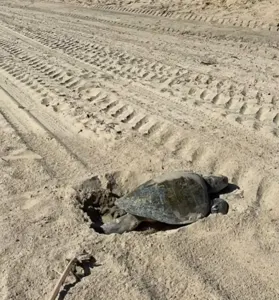
Two olive ridley sea turtles nested near Seal Beach and Huntington Beach, the first recorded natural nesting by any sea turtle species on the U.S. West Coast. A NOAA researcher said El Niño very likely helped bring them north. -
Experimental RNA therapy helped mice retain muscle on semaglutide
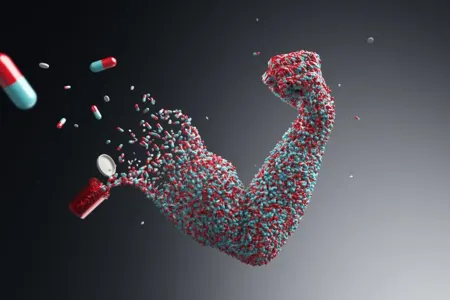
A Northwestern study in mice found that an experimental RNA therapy combined with semaglutide limited muscle loss to 5.5%, versus about 10% with semaglutide alone. Mice also had about 4 grams of body fat, versus nearly 8 grams, and better blood-sugar control.