

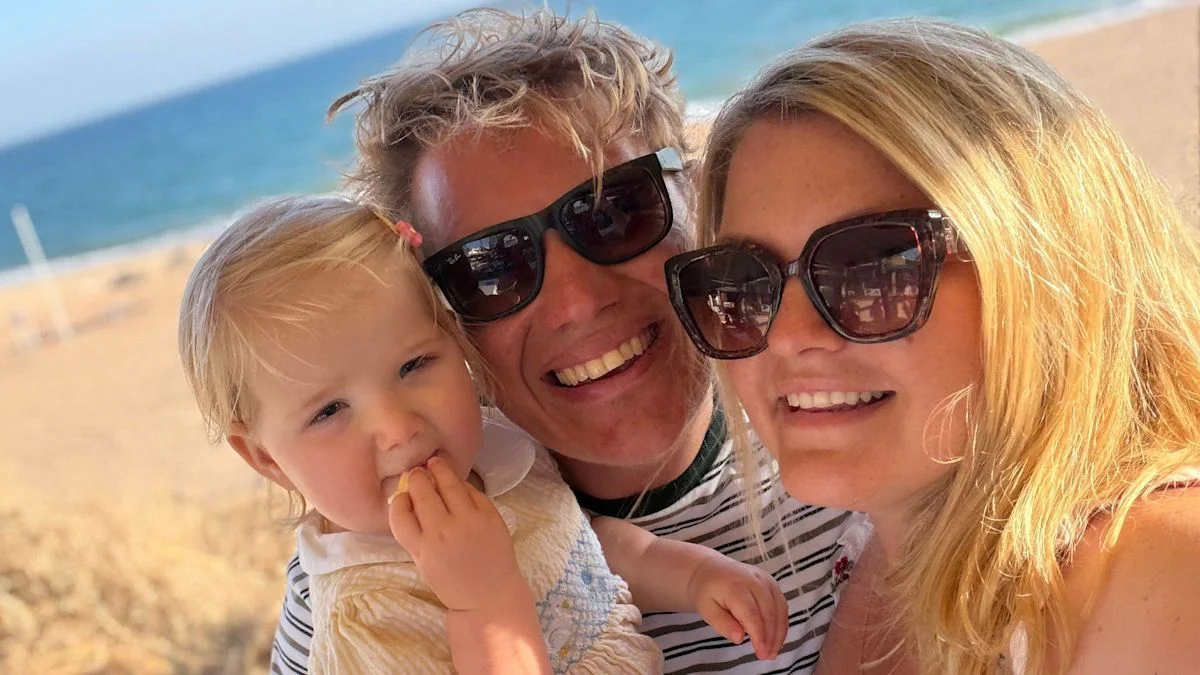
Rosie says ChatGPT suggested Multisystemic Smooth Muscle Dysfunction Syndrome (MSMDS) after she entered her daughter Lily’s symptoms; tests confirmed it in January. At 19 months, Lily is one of 70 known cases worldwide.
Rosie said some doctors had never heard of MSMDS, while others considered it very unlikely because it is so rare. Nick Meade of Genetic Alliance UK urged caution, saying AI models learn mainly from what appears most often in their training data, which can disadvantage rare conditions. An Oxford study published earlier this year echoed the warning; its co-author, GP Rebecca Payne, warned that language models can give wrong diagnoses or fail to recognize when urgent help is needed.
MSMDS, caused by an ACTA2 gene change, can affect the heart and kidneys; only six people in the UK are known to have it. Her parents’ ACTA2 Alliance UK charity is seeking £30,000 toward a proof of concept for a less-invasive gene therapy they are discussing with people in England. They say international work on a cure is led from Boston, but describe the potential gene therapy as “very invasive”. This week, a family move-a-thon asks supporters to log miles toward the 3,300-mile distance between Bath and Boston.
