

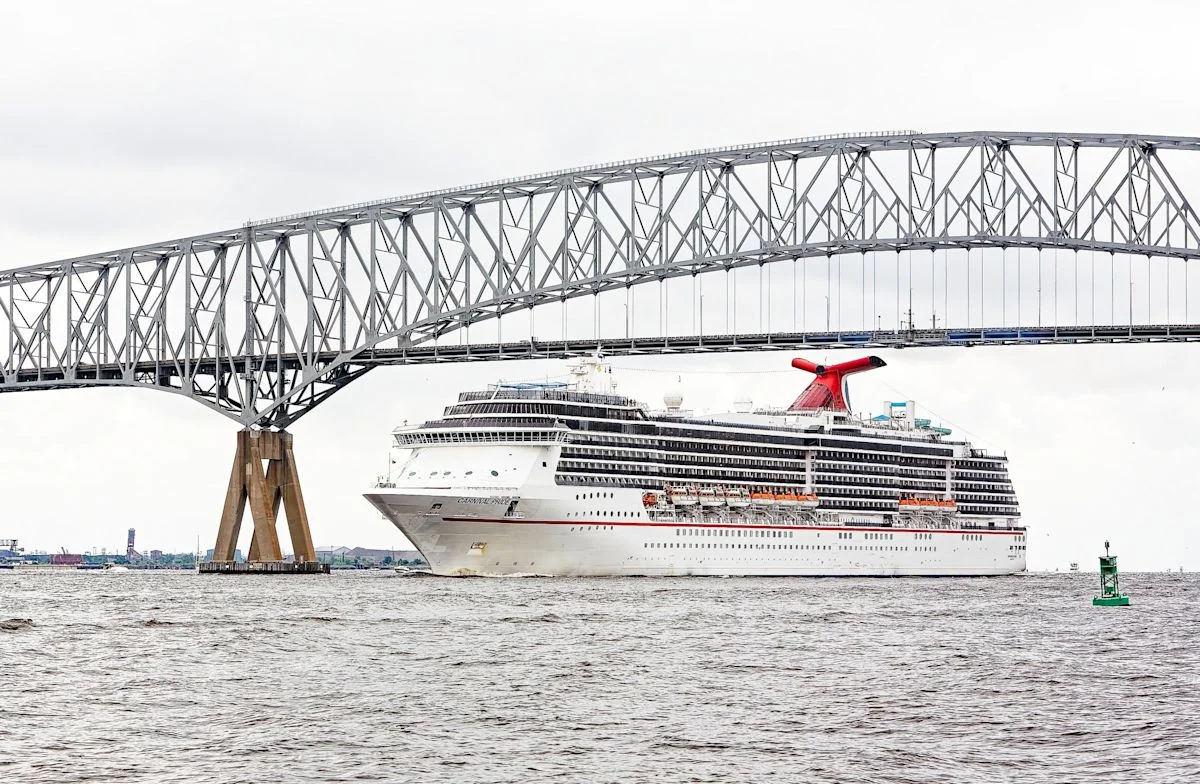
CALINFRA board president Danica Bilicich-Mason urges agencies to match procurement methods to project risks and changing conditions. She cites Baltimore's still-closed Francis Scott Key Bridge as an example of why funding announcements do not ensure a usable project.
After the Francis Scott Key Bridge collapsed in early 2024, its reconstruction became a national priority. In April 2026, the Maryland Transportation Authority said it would not retain its progressive design-build contractor for phase two because the proposal significantly exceeded independent cost estimates. The agency divided construction into four procurements intended to increase competition and speed contract awards.
Bilicich-Mason proposes that Congress and state legislatures require agencies overseeing major publicly funded projects to publish pre-procurement assessments comparing delivery models by schedule risk, cost certainty, market competition and accountability, with reassessments if assumptions materially change. She says approaches should fit each project's circumstances and argues environmental safeguards and public oversight can remain in place. The article also cites labor shortages, high material costs and supply-chain uncertainty in Deloitte's 2026 industry outlook. Bilicich-Mason is board president of CALINFRA, a California coalition advocating expanded use of alternative delivery methods.
