

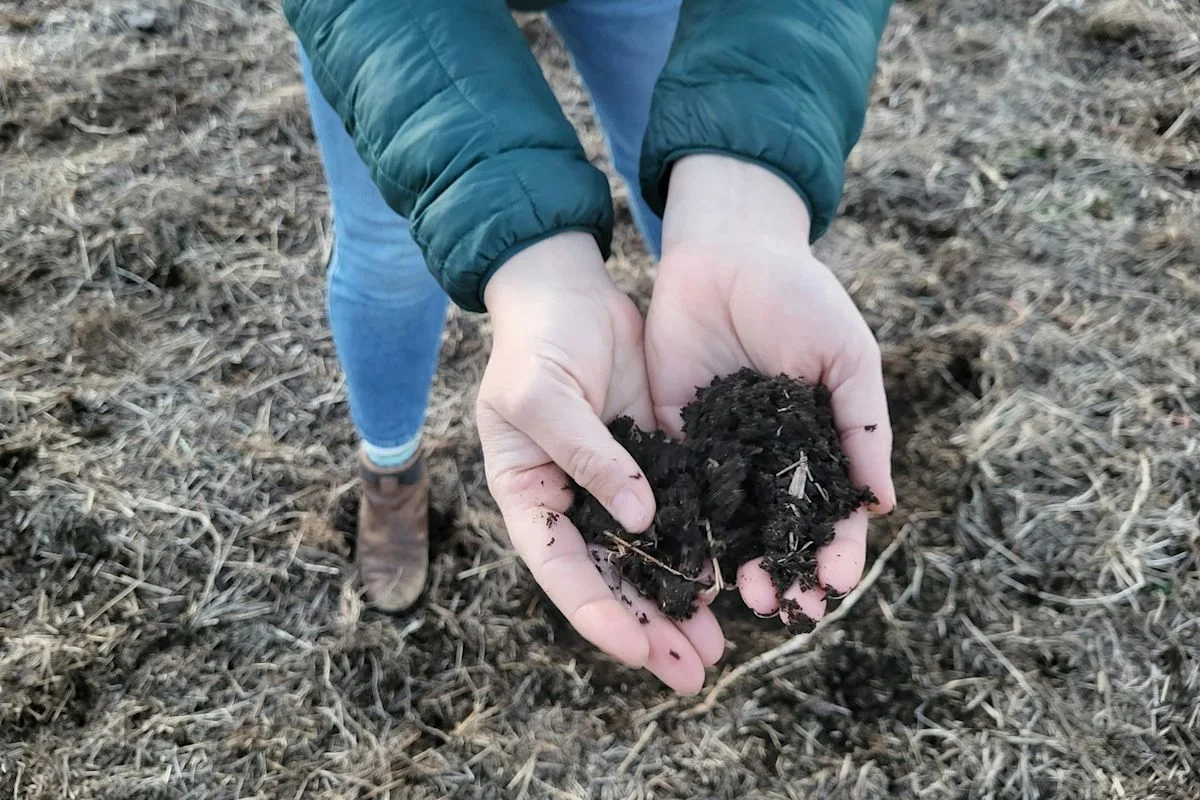
In a 16-month study in 2023–24, anthropologist Sydney Giacalone found that farmers of faith who shifted toward sustainable agriculture drew on Wendell Berry’s writing to connect care for the land with Christianity; some faced resistance in their churches.
The article defines conventional farming as monocropping, intensive tillage and use of synthetic fertilizers, herbicides and pesticides. Many participants reduced or ended chemical use and tillage, added plant varieties and cover crops, and adopted rotational grazing. Giacalone says the farms later showed less erosion, better water absorption and more soil organic matter.
Some church opposition, the article says, reflected end-times beliefs that caring for damaged land was futile because Jesus would soon return—an outlook some scholars call “apocalyptic conspiracism.” The article distinguishes this from environmental opposition rooted in doubts about climate change. Farmers said Berry helped them discuss stewardship without closing dialogue with their rural Christian communities.
