

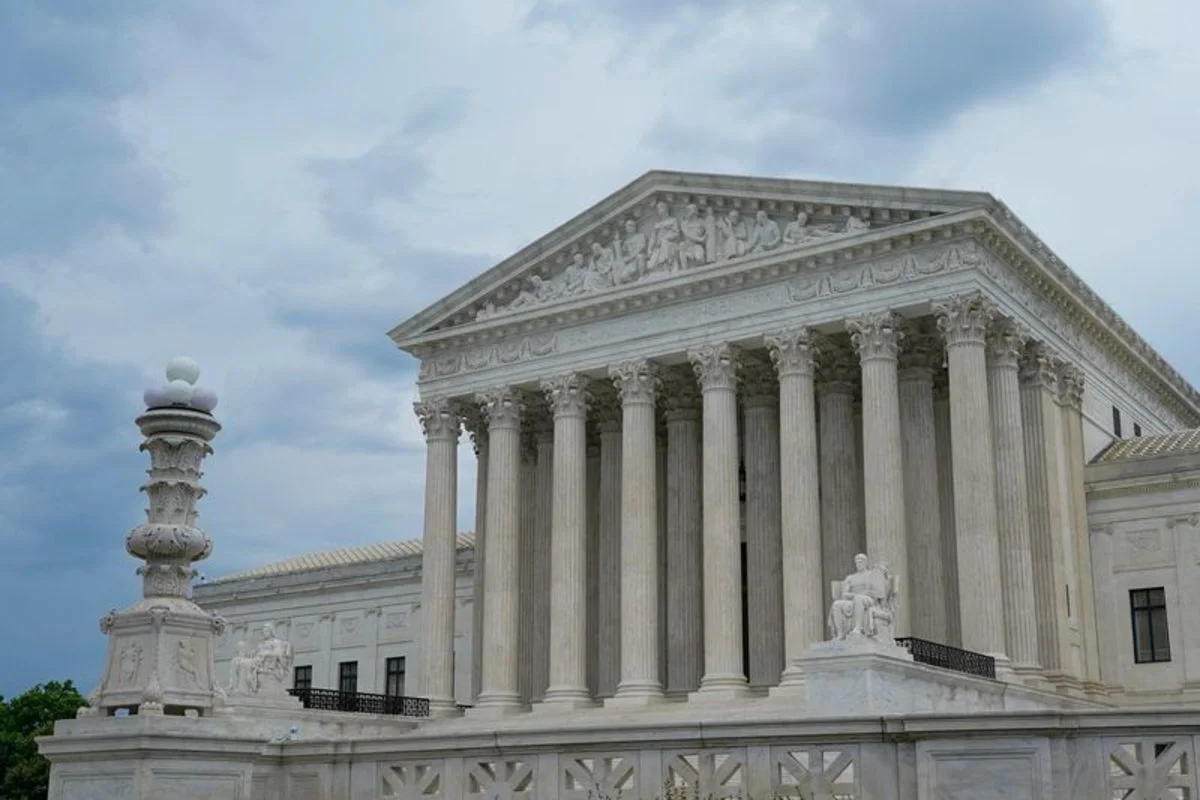
The U.S. Supreme Court on Friday let state officials use the Trump administration’s expanded SAVE database to check registered voters’ citizenship against federal records, blocking a lower-court order; rights groups say errors have wrongly removed eligible voters from rolls.
Homeland Security redesigned SAVE last year to allow searches of many records at once using Social Security numbers. Several Republican-led states compared voter lists with it; some voters flagged as possible noncitizens had registrations canceled. The system’s overall error rate is not public; DHS and DOJ did not provide it when asked. Advocacy groups cited a Travis County, Texas, election official who said 25% of SAVE’s noncitizen matches there involved people who had already proved U.S. citizenship; they also cited reports that at least 81% of SAVE’s responses in St. Louis County, Missouri, were erroneous.
The League of Women Voters and Electronic Privacy Information Center sued in September 2025, alleging the redesign violated federal privacy and other laws. U.S. District Judge Sparkle Sooknanan blocked the revised system in June, finding its citizenship data unreliable; the D.C. Circuit declined to halt her ruling on Sept. 4. The Justice Department argued the order threatened midterm election integrity, while Texas, which intervened in support of the administration, disputes claims that the system is unreliable. Separate litigation in Florida has allowed continued use in Florida, Iowa, Indiana and Ohio.
