

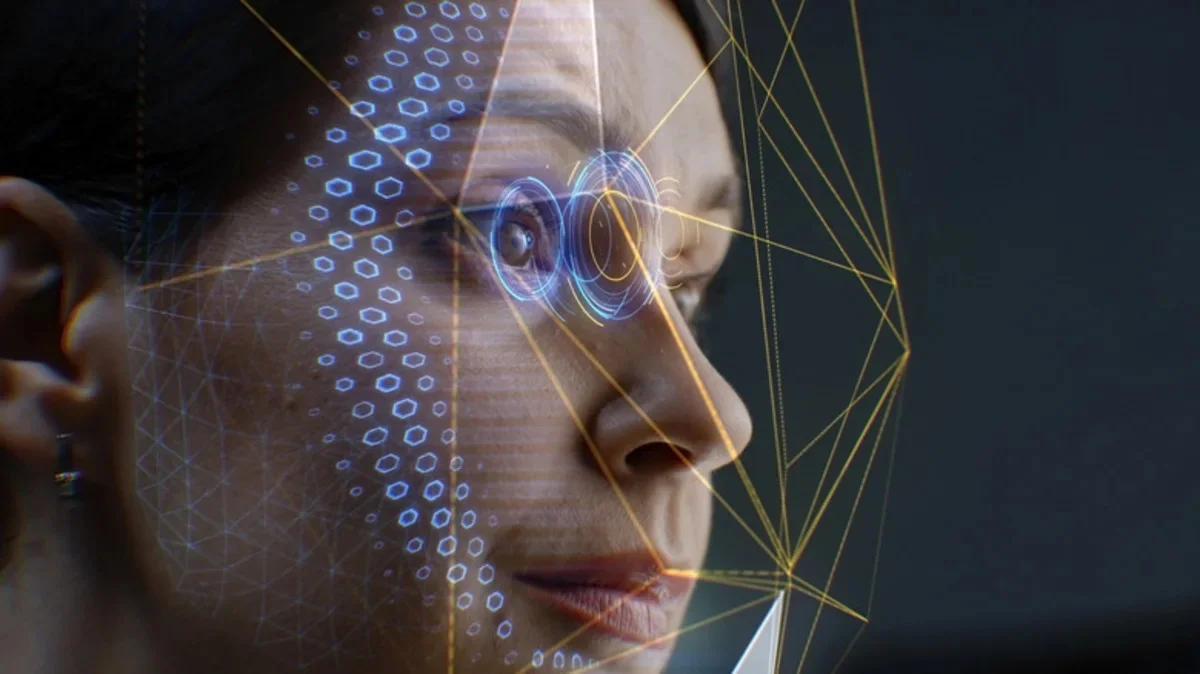
At more than 250 U.S. airports, the TSA’s CAT-2 facial scan is designed to check that travelers match their IDs and deter use of someone else’s ID to board. The agency says scans are voluntary; those who decline should receive a standard ID check.
The face-matching algorithms, developed with Customs and Border Protection, account for changes in lighting and background. CBP says photos of U.S. citizens are deleted from the database 12 hours after verification. The TSA says the scans are not used for surveillance.
Travelers have reported pushback from officers when they refuse, including warnings of longer waits or delays. The Electronic Privacy Information Center says there are no restrictions on TSA’s use of the technology and that agency reports on the system are inconsistent and sometimes incorrect; it has urged Congress to suspend the scans. University of New Haven professor Vahid Behzadan warned that a compromised system endpoint could expose facial images and ID details if IDs are also scanned.
