

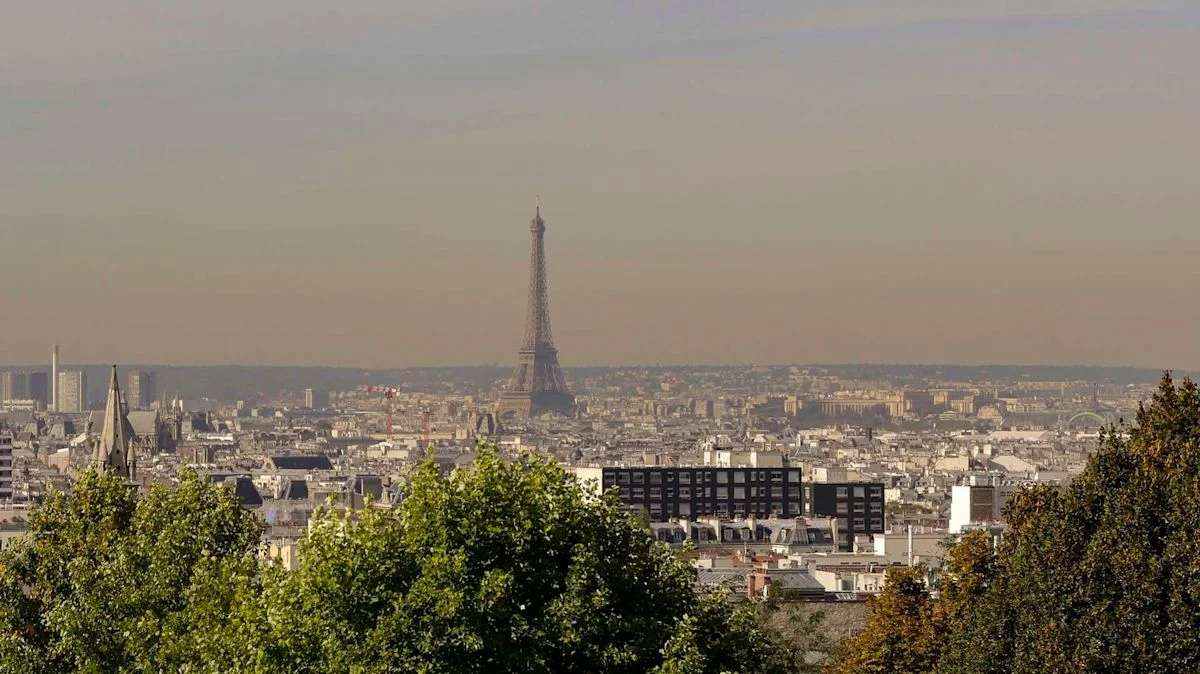
A study says emissions released in the decade after the 2015 Paris Agreement made Europe’s deadly June 2025 heat wave worse, with better than 99% probability. In some areas, those emissions raised average daily temperatures by about 0.3°C (just over 0.5°F).
Researchers used a diffusion-model version of generative AI, trained on 10 global climate models and checked against decades of observed weather, to compare the heat wave with a scenario in which emissions stayed at 2015 levels. Lead author Jared Trok said the finding also applied to Europe’s hottest week in each year since at least 2021.
Researchers said nearly one-fifth of all carbon pollution has been released since 2015, largely from oil, natural gas and coal. The study noted that even modest daily temperature increases can raise heat-related death risks, strain electricity demand, reduce labor productivity and harm crop yields; the 2025 heat wave killed several thousand people.
