

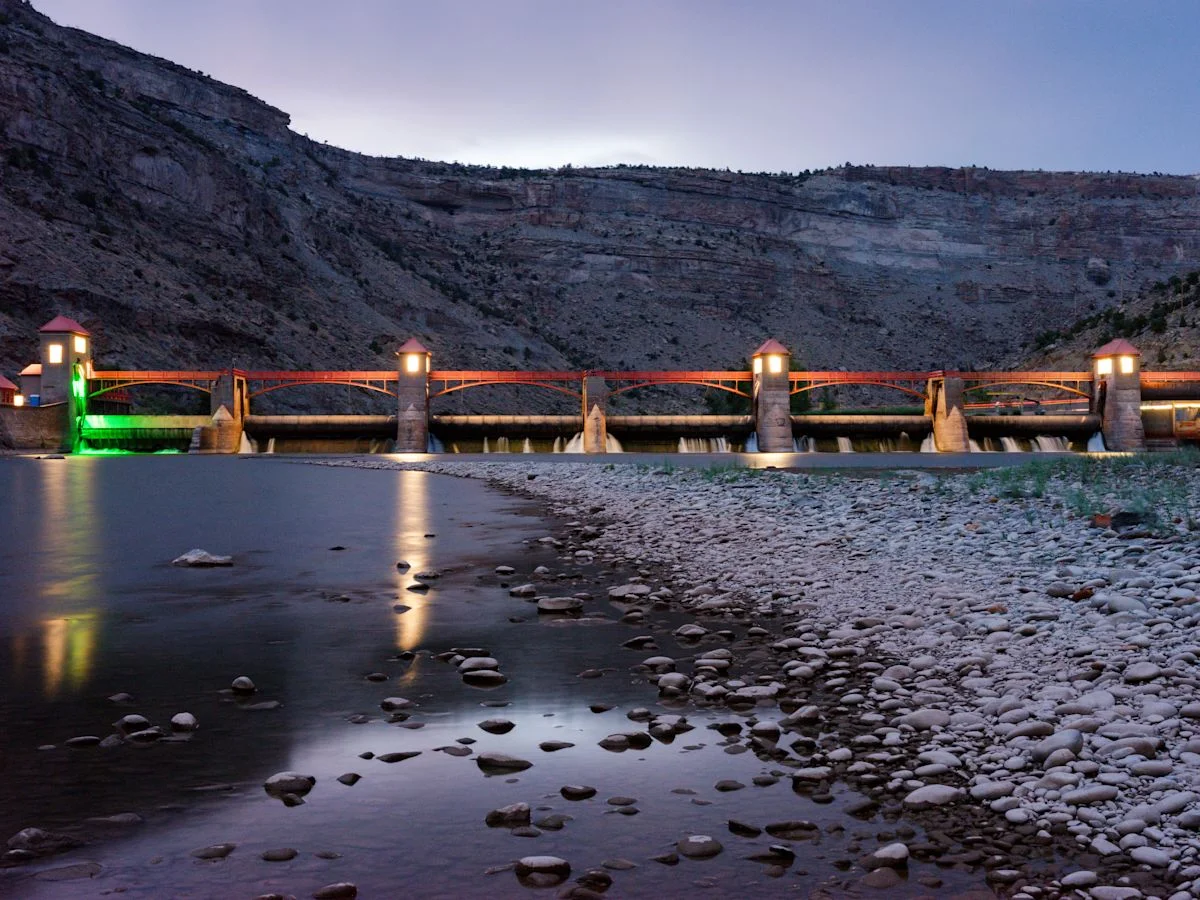
After record-low snowpack worsened the Colorado River shortage, the Orchard Mesa Irrigation District near Palisade halted deliveries Sept. 17 before the growing season ended, leaving peach growers worried about keeping trees alive and next year’s crop.
Clark’s farm is in the Orchard Mesa Irrigation District, the Grand Valley’s second-most junior district. Farmers were expected to get some additional water at the start of October, but otherwise had to make do with little rain. Clark pruned his trees heavily in spring to reduce their water needs, accepting fewer peaches at harvest; he said further rationing could kill trees and reduce crops for years.
Colorado River flows are about 20% below their 20th-century average after 26 years of megadrought worsened by climate change. Colorado’s warmest winter in 132 years produced the smallest snowpack scientists had recorded. A report by basin experts warned that one or two more poor-snowpack years could leave dams and reservoirs unable to function. Since agriculture accounts for about three-quarters of human water use from the river, the report said sharp farm-water cuts would be needed; some authors proposed permanently buying marginal farmland to leave more water in the river.
