

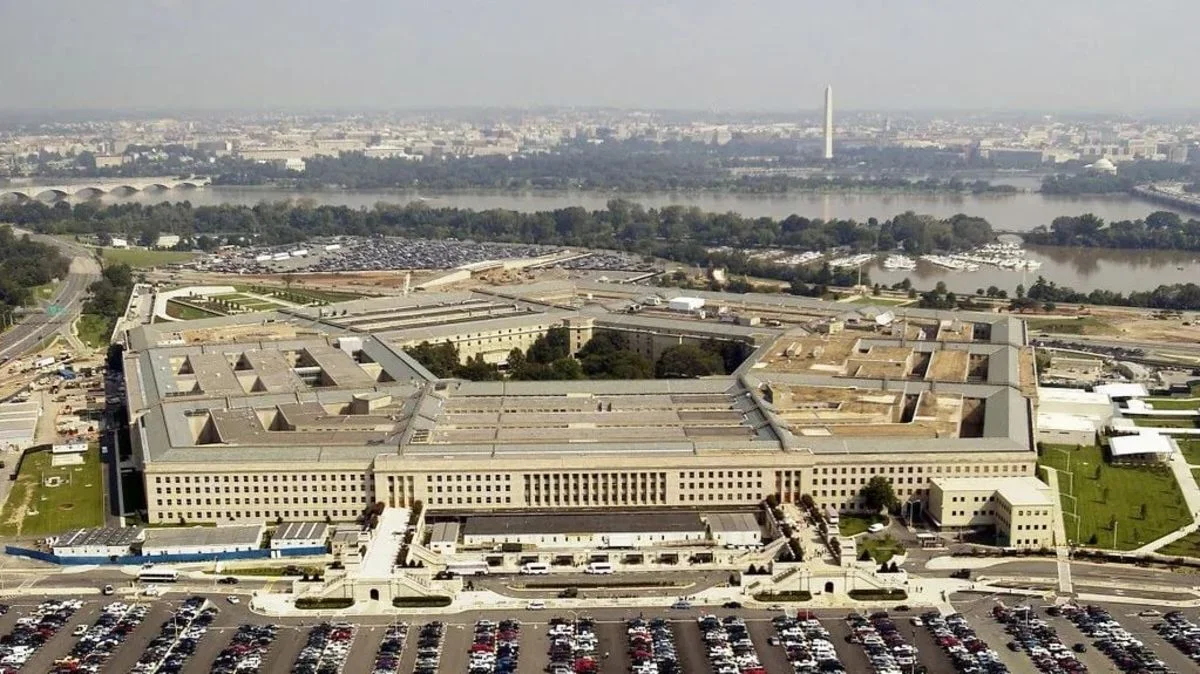
The Pentagon has not disclosed the cost or expected reach of testosterone screening for male service members 30 and older. The Endocrine Society says screening is likely to produce a high number of false positives and that testing is expensive and time-consuming.
Defense Health Agency guidance requires a symptom-and-risk questionnaire first; blood tests follow only if it is positive or a risk factor exists. Diagnosis requires two morning fasting tests at least 30 days after training involving extreme physical or mental stress; the guidance says about 30% of initially low results are normal on repeat. The Endocrine Society says obesity should be treated first; it also argues the guidance's hCG fertility option suppresses FSH and would reduce sperm production in men whose low testosterone stems from obesity. University of Michigan endocrinologist Richard Auchus called symptom-first screening largely evidence-based.
The department says it does not know how many members will be screened, tested, diagnosed or treated; it will report those figures 12 months after the guidance's publication. Hegseth's July memo covered all service members 30 and older, but current guidance covers men only; a women's companion guideline is under review. The Pentagon's response to six cost-and-funding questions cited earlier material, none with an estimate. Its fiscal 2027 request lists $20.3 billion for Combat and Operational Medicine and $22.2 billion for Private Sector Care, with no separate screening line.
