

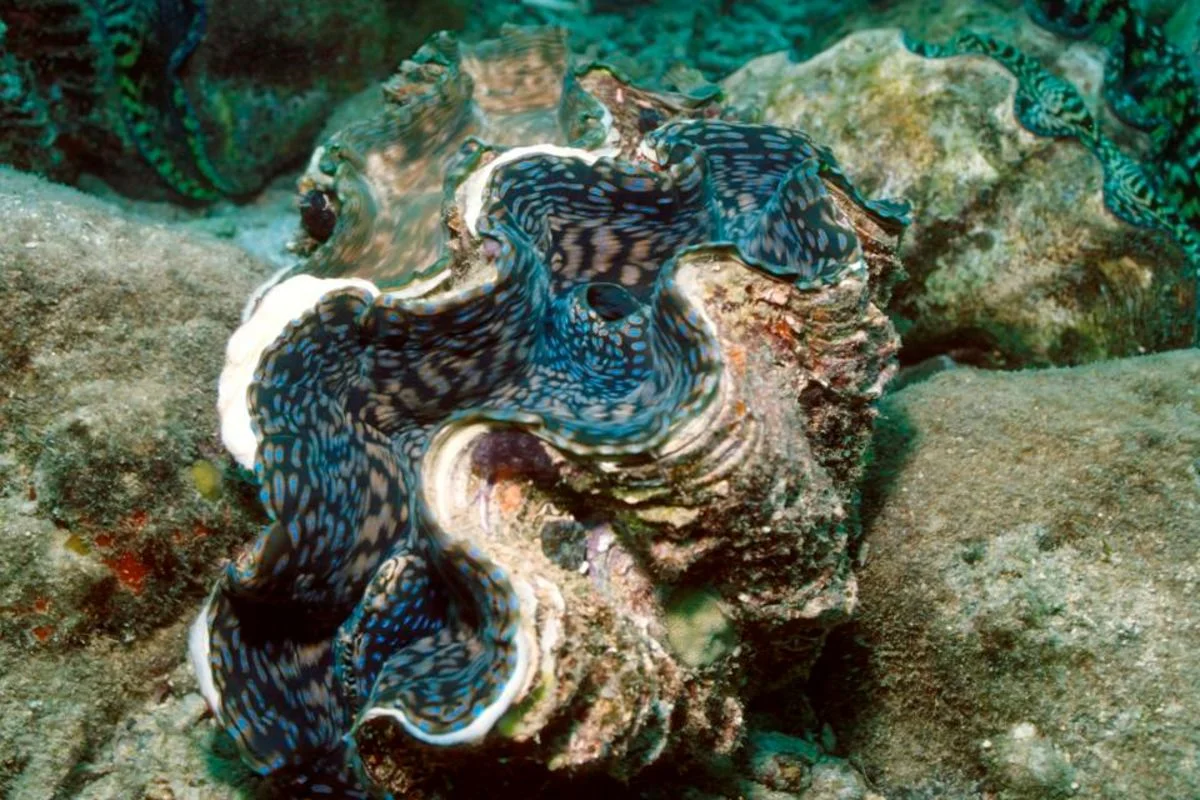
Fiji is raising giant clams at the Makogai research centre and releasing juveniles into protected reef nurseries. Ministry researchers reported 100% survival and three- to fourfold growth among Tridacna maxima seeds released at Vorovoro in March 2026.
Across the Indo-Pacific, giant clams have declined due to harvesting for meat and shells, habitat degradation and damage to coral reefs. A 2024 University of Colorado Boulder assessment said the global Tridacna gigas population had fallen by more than 80%; the IUCN now lists the species as Critically Endangered.
Fiji’s Fisheries Act sets strict harvesting rules and bans exports of giant clam meat, while local communities have established no-take reserves. Young clams can be dislodged by rough weather or eaten by predators; illegal harvesting, coastal pollution and marine heatwaves also remain threats. Long-term recovery depends on healthy reefs and hatchery-raised clams surviving to reproduce.
