

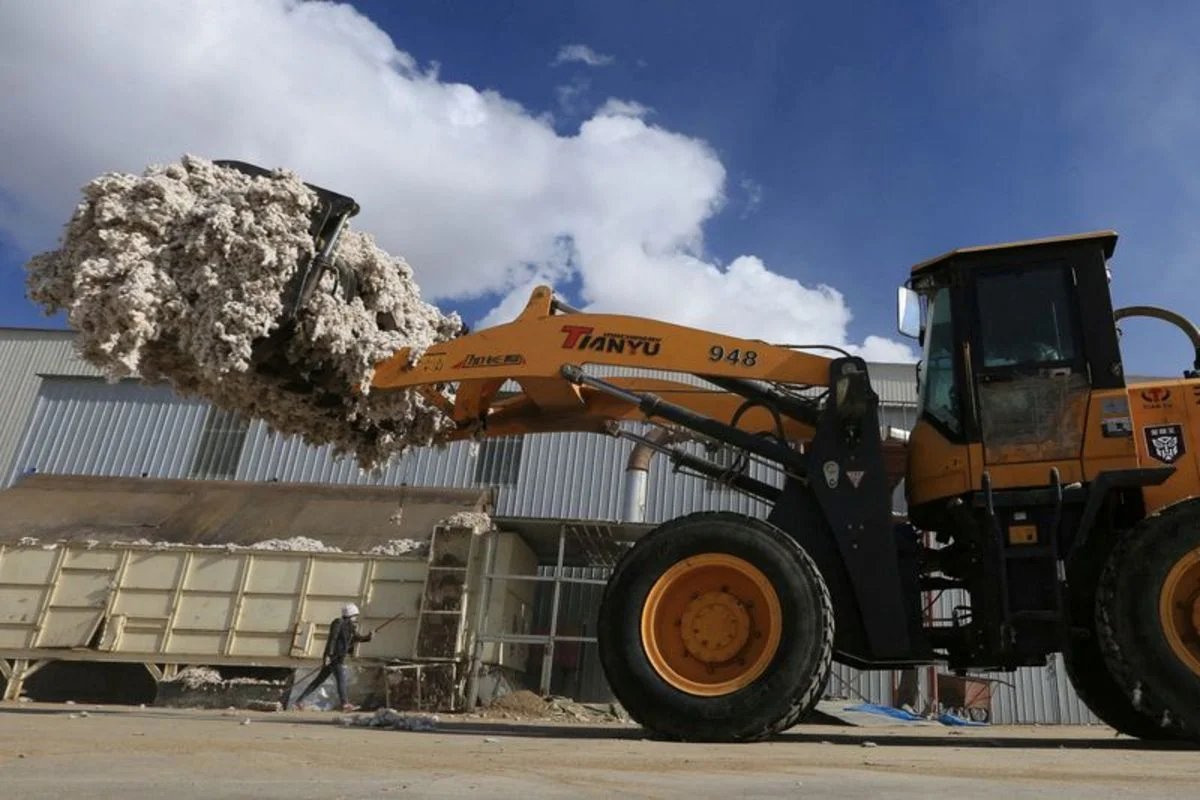
Three Vietnam garment makers tied to Esquel exported at least $5 million in cotton goods to the U.S. after Esquel’s November 2024 blacklisting over alleged Xinjiang forced-labor links. Reuters couldn’t confirm whether the goods used cotton from Esquel or Xinjiang.
The makers were An Loi Apparel, Tessellation Binh Duong and Tessellation Hoa Binh. All had used variations of Esquel Garment Manufacturing Vietnam in their names before rebranding in 2022; the same three offshore firms owned them before and after. Former Esquel CEO Edgar Tung was listed in filings as an owner’s representative at all three. Customs data show Esquel sent them about 70% of its $34 million in cotton exports from China between November 2024 and June 2026. Reuters could not determine whether Tessellation Group ultimately owned the makers.
Esquel denies forced-labor allegations; neither it nor the makers commented on ties or U.S. exports. Muji and Rodd & Gunn confirmed sourcing from the makers but said they were unaware of Esquel links. Muji plans to audit one plant this year; Rodd & Gunn said its partners must source only from the U.S., Brazil and Australia and document chain of custody. From November 2024 to June 2026, U.S. Customs detained about $2.6 million of the $28 billion in apparel shipped from Vietnam to the U.S. for forced-labor inspections; more than half of the detained goods by value were later released.
