

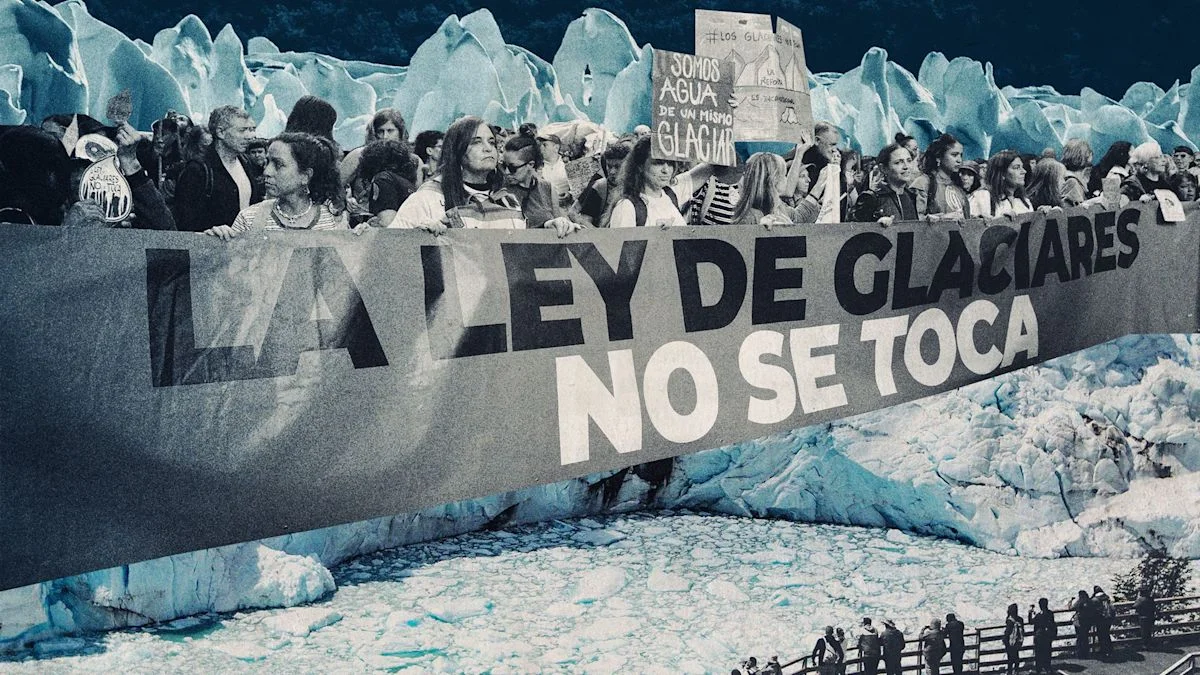
MPs approved April changes to Argentina’s 2010 Glacier Law, giving provinces responsibility for defining protected areas. The shift has sparked protests, while scientists warn development could accelerate ice loss and raise water-shortage and flood risks.
President Javier Milei has sought oil and mining investment through tax breaks and regulatory reforms. Bloomberg reported that executives from Glencore, Lundin and BHP visited him in the past year and that the firms, along with others, are keen to invest about $40 billion in Argentina’s copper belt. OpenAI announced last October plans to partner with a local company on a clean-energy data center costing up to $25 billion; investors are also eyeing Patagonia for new data centers.
The glaciers feed 36 river basins across 12 provinces, where more than seven million people live; meltwater helps lessen drought impacts in years with low rain and snowfall. A study using MapBiomas data reported that 42% of Andean glaciers have disappeared. The Argentine Institute of Snow Science, Glaciology and Environmental Sciences says annual ice loss from the country’s glaciers could supply its entire population for a year and a half. In November 2005, the Laguna de los Erizos reservoir collapse unleashed a 1.1-billion-cubic-foot mudslide that traveled 155 miles; its remote location prevented deaths.
