

A Yale-led study found that applying crushed limestone to fields across the Mississippi River Basin leaves soils storing more carbon dioxide than they emit. Farmers already use liming to correct acidic soils and help crops perform better.
As limestone dissolves in wet soil, it can react with carbon dioxide to form bicarbonate ions. These can move through soil, groundwater and rivers to the ocean, where the carbon may remain stored for long periods. Researchers also assessed what might have happened without lime, addressing concerns that the carbon in limestone could make the practice a net source of emissions.
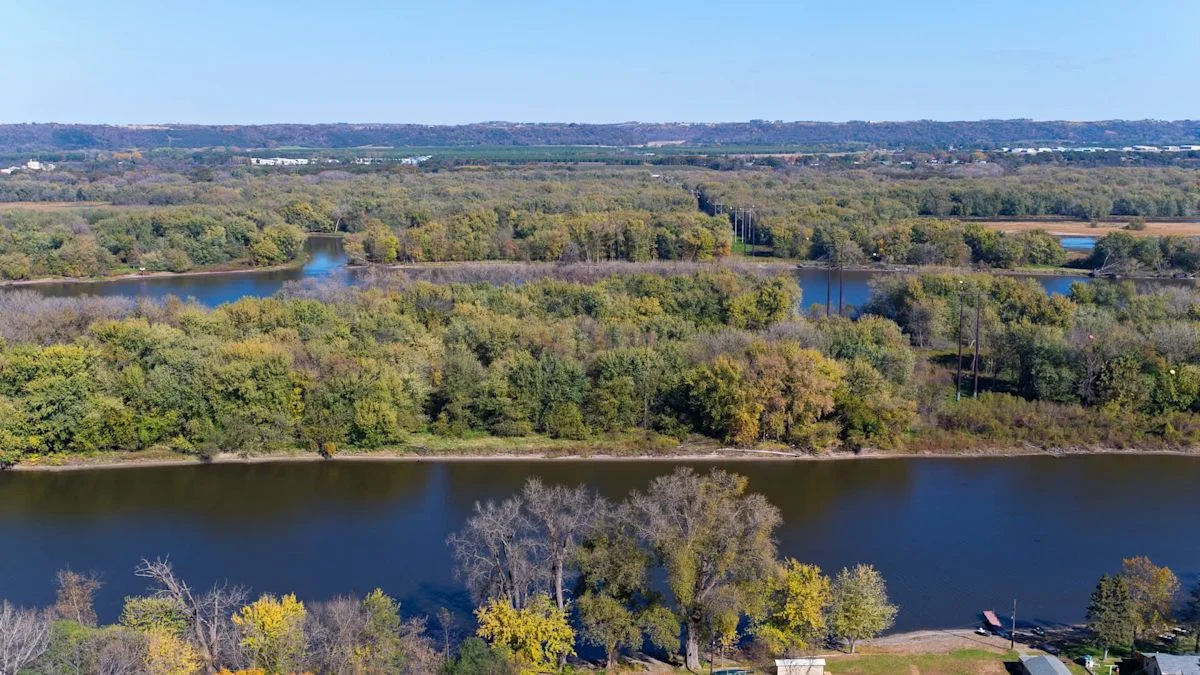
The basin covers about 41% of the contiguous United States and includes around 65% of U.S. croplands, where liming is already widely used. Co-corresponding author Christopher Reinhard said the findings offer another reason to expand limited access to soil-pH management where sensible; the results may inform future climate and farm-policy discussions.
