

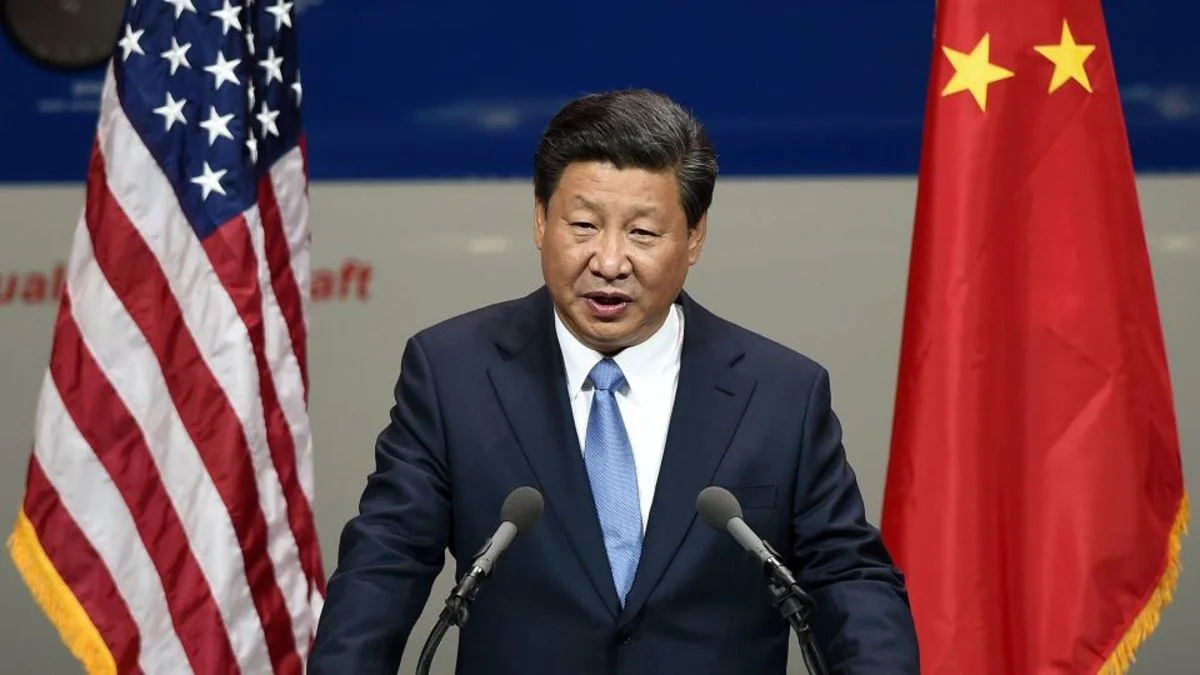
Xi Jinping arrived in Washington for an expected three-day visit and talks with Donald Trump, with more leverage than in 2017. China’s $1.2 trillion trade surplus last year and grip on rare-earth supply chains bolster Beijing’s push against new US tech curbs.
At a May meeting in Beijing, the two sides agreed to pursue “constructive strategic stability.” The current trade truce followed Beijing’s threat to expand rare-earth export controls in response to a US move that would have vastly widened the blacklist of Chinese firms. Both sides are wary of renewed conflict, and the truce is likely to be extended this week.
China’s tech gains coexist with domestic strains: youth unemployment hit a recent high last month, consumption lags, local governments struggle with debt and the property crisis continues. Ambassador Xie Feng wrote that Beijing’s “red lines” include Taiwan, democracy and human rights, China’s political system and development path, and its right to development. Policy adviser Wu Xinbo said China would oppose US sanctions on Chinese firms for Iran trade and urge negotiations to end the war.
