

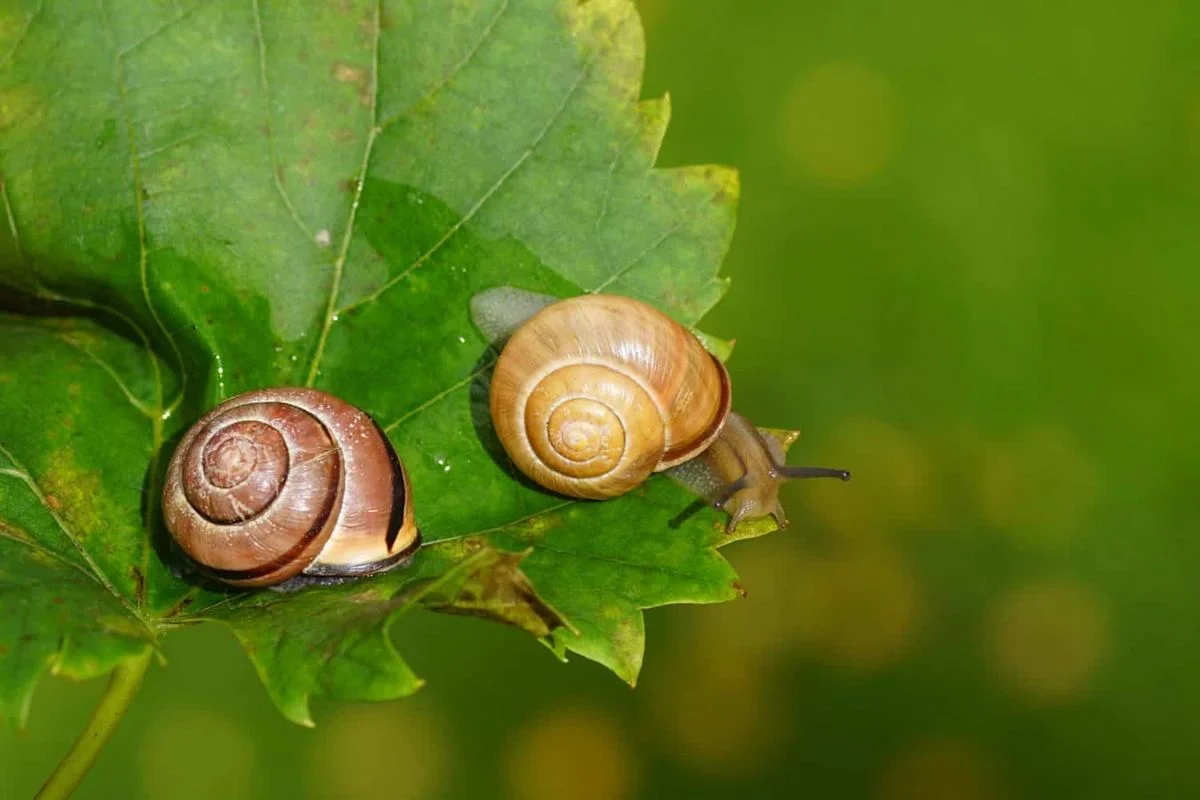
University of Queensland researchers linked Biggenden Banded Snails’ shell-growth spurts to extreme rainfall after cyclones Marcia (2015) and Debbie (2017) at Coalstoun Lakes in southeast Queensland. One snail was radiocarbon-dated to about 4.5 years old.
The team analyzed shell fragments about a millimeter wide. Radiocarbon from Australia’s 1960s nuclear tests helped date the growth bands, while oxygen and carbon stable isotopes provided clues to rainfall. Researchers said growth tracked extreme rainfall, not annual wetness; shells showed little or no growth during droughts.
Researchers hypothesize that older snails may lie in deeper sediment layers. Their shells could eventually help identify past cyclones and dry periods from before modern meteorological records, but this remains a future research goal.
