

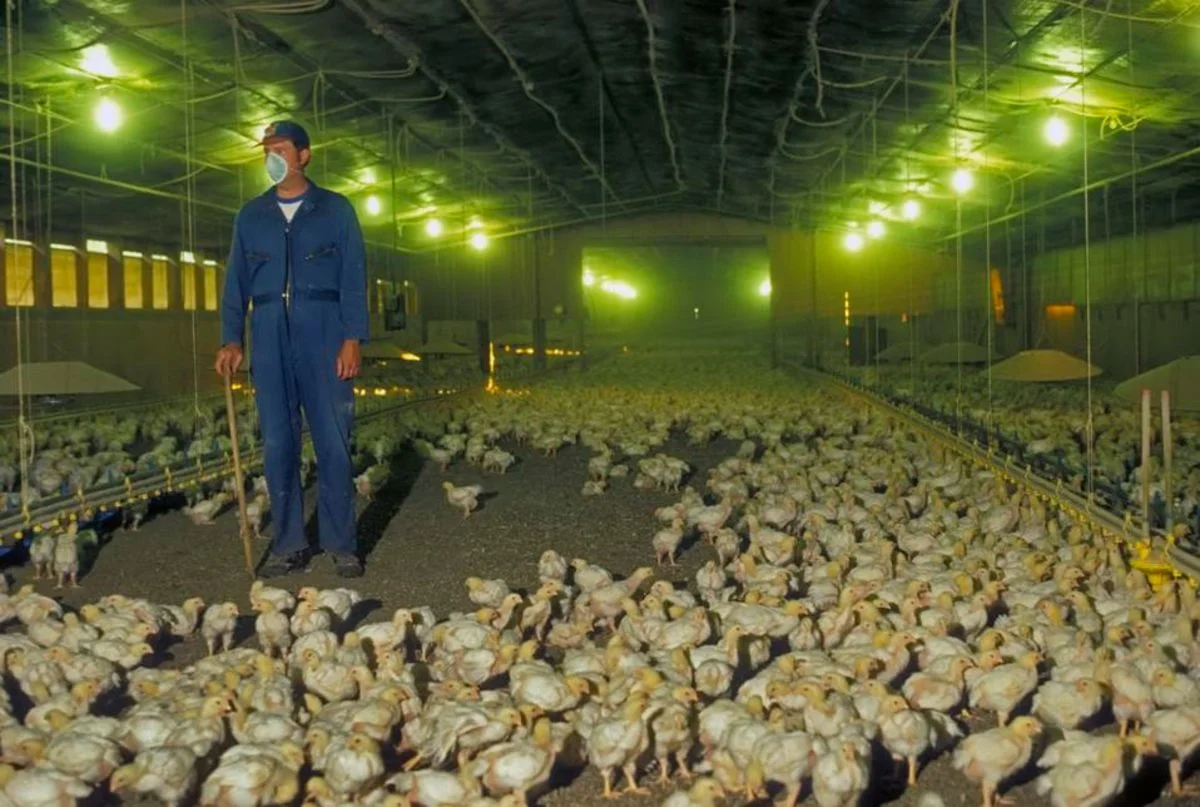
Alveo expects USDA approval in coming months for a handheld test that detects influenza A and, if positive, identifies H5 or H7 in 45 minutes. Waterfowl alerts could be sharpened with farm-level outbreak records the poultry industry has not released.
Alveo’s published validation reported 100% specificity against 12 influenza A strains and 19 non-influenza organisms; its detection limit was equivalent to PCR cycle thresholds (Ct) of 29–33, while benchtop RT-PCR can reach beyond Ct 38. In independent challenge trials, University of Georgia researcher Daniel Perez found ducks highly susceptible but resistant to clinical disease, while chickens resisted infection at higher doses but could suffer sudden mortality and rapid egg drops once infected. Perez suggested fixed-schedule swabs for ducks and testing chickens when clinical anomalies appear; he said the optimal surveillance design remains unresolved.
AgriNerds’ Waterfowl Alert Network combines radar, satellite imagery and telemetry to forecast waterfowl abundance near roughly 160,000 poultry farms. Only about 1,500 farms in 25 states have joined; alerts can prompt testing or barn-access restrictions, although founder Maurice Pitesky said waterfowl spikes often occur without an outbreak. USDA says the virus has reached 1,985 U.S. poultry premises and cost more than 185 million birds since February 2022. Pitesky said public data are only county-level and proposed that USDA withhold indemnity payments from farms that decline to share data with researchers under privacy-protective agreements.
