

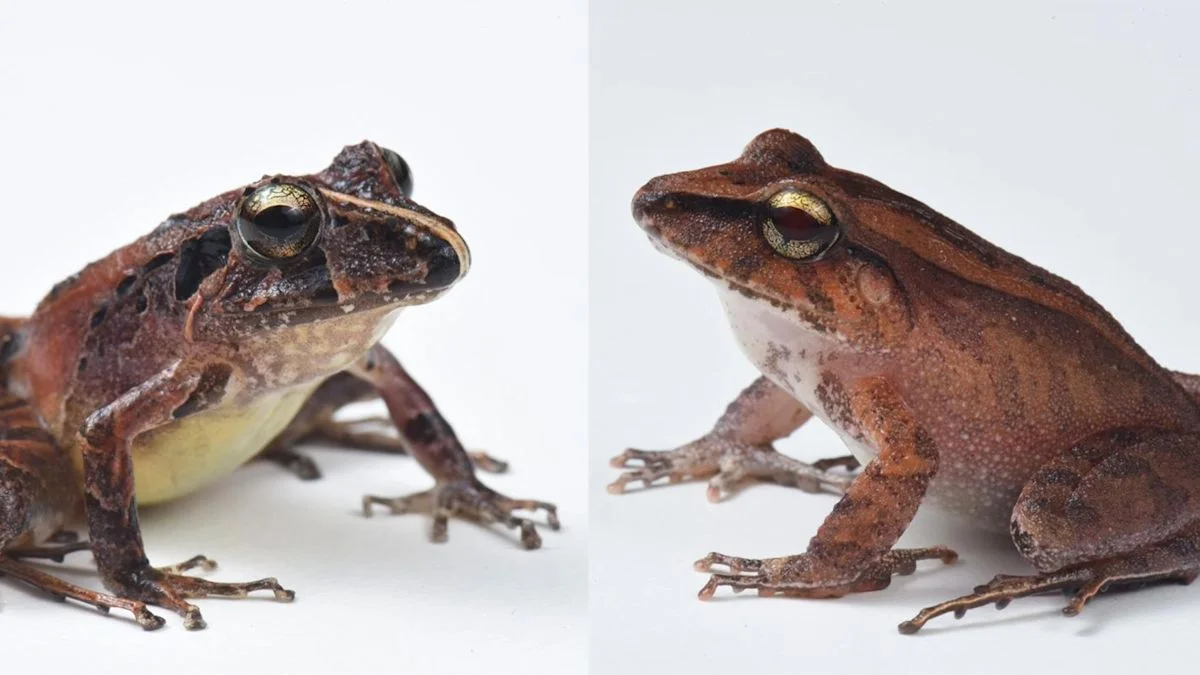
A Brazilian lab study found skin bacteria helped Haddadus binotatus resist chytrid fungus: antibiotics that suppressed its skin microbiome made disease signs more likely. Ischnocnema henselii remained highly susceptible with or without antibiotic suppression.
The researchers cultured roughly 700 bacterial strains from frog skin and exposed the fungus to each strain’s chemical byproducts, tracking fungal growth for a week. They built a database linking bacterial identity with how strongly it inhibited the fungus.
Chytridiomycosis has been found in more than 1,300 amphibian species and has driven at least 90 frog species to extinction. The researchers hope to study how frogs acquire protective microbes from their environment, with the goal of safeguarding tropical habitats that support them.
