

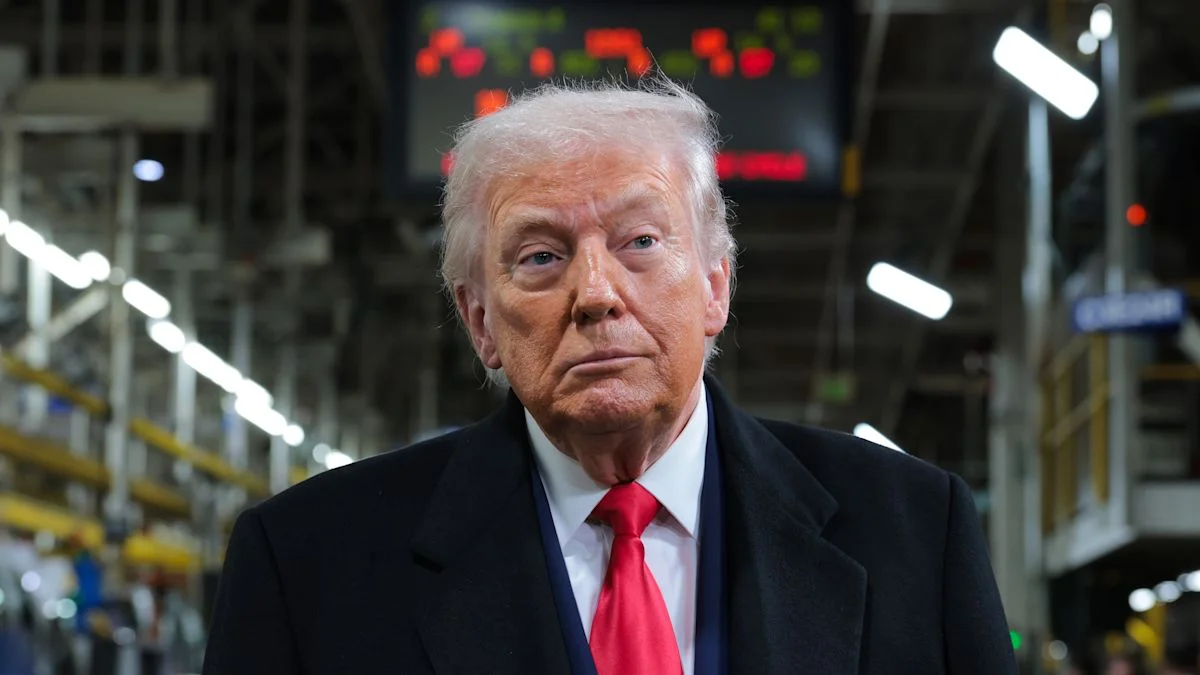
Alan Wolff, Section 301’s drafter, says the Trump administration is misusing it to impose 10%–12.5% tariffs on goods from 60 countries. He says it was intended to address individual trade violations; the Court of International Trade will hear a challenge Sept. 30.
Trump first imposed “Liberation Day” tariffs under the International Emergency Economic Powers Act, but the Supreme Court ruled those duties illegal in February. He then announced a temporary universal levy under Section 122; after it expired, the administration turned to Section 301.
In July, U.S. Trade Representative Jamieson Greer ruled that more than 60 countries were guilty of buying goods made with forced labor, which USTR said harms U.S. commerce. Wolff and two other former top government trade lawyers backed a brief in the Liberty Justice Center’s lawsuit, arguing the tariffs were not really aimed at forced labor—which the administration is accused of not thoroughly investigating—but at replacing the earlier emergency duties. U.S. companies pay the import duties and must absorb the extra costs or raise prices.
