

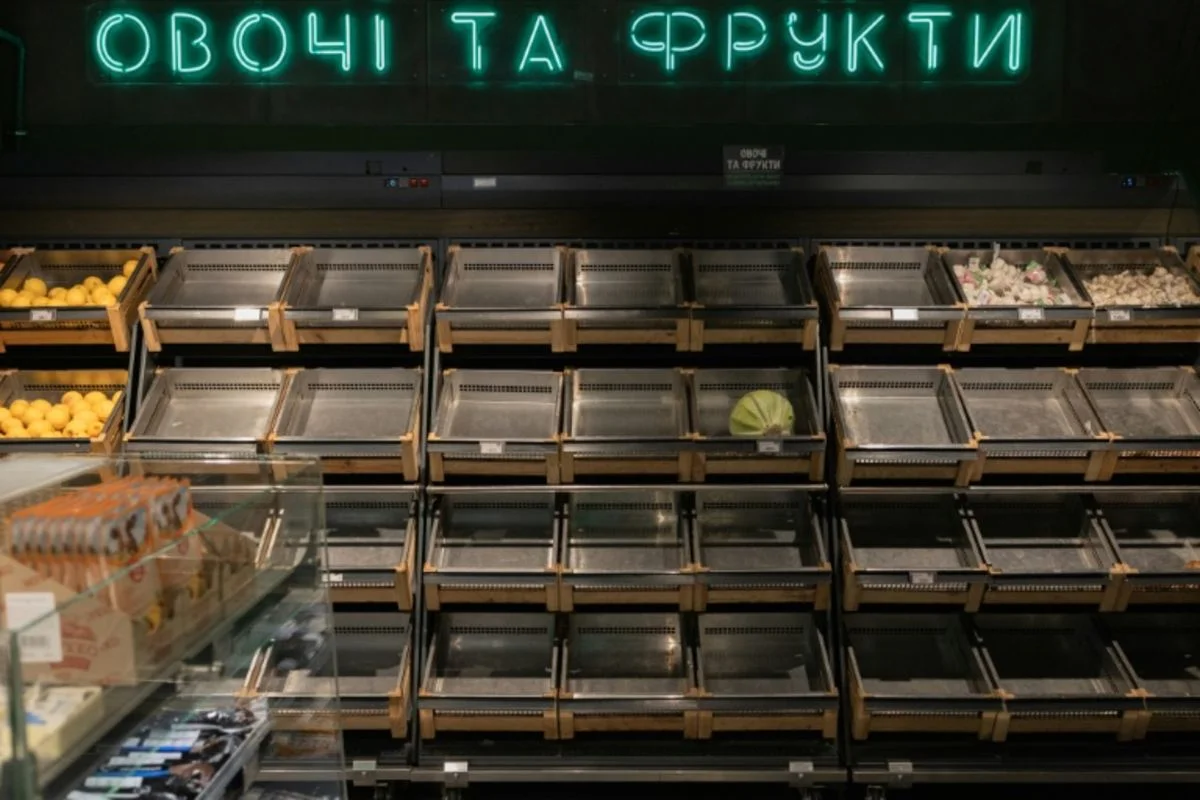
Russian strikes disrupted retailers’ supply chains, leaving supermarkets short of goods. AFP found three times as many strikes on Kyiv-region civilian warehouses over the past nine months as in the invasion’s first four years; two-thirds came since August.
Ukraine’s food minister, Taras Vysotskyi, said the wave of attacks had “seriously disrupted, even rendered inoperative” major retailers’ supply chains, which rely on centralized logistics. He urged brands to decentralize logistics, focus on short-term supply chains, and use smaller warehouses or warehouses in neighboring countries. Fozzy, Silpo’s owner, announced in early August that it was reorganizing its supply chains, allowing shelves to be restocked, though some brands remained unavailable. Vysotskyi warned the reorganization could raise food prices by up to 2.5%; the central bank said annual inflation stood at 8.1% in August. AFP’s analysis used ACLED data through Sept. 18.
Economist Oleg Pendzyn estimated Russian attacks had caused a €1.3 billion ($1.5 billion) deficit for the state. He said local markets and grocery stores, supplied directly by domestic producers, currently face no risk of food shortages. Ukrainian families buy 45% of their products at markets each month and spend 30% at local grocery stores, Pendzyn said. He was also concerned about Russian strikes on Black Sea ports, which Ukraine relies on for 90% of its exports; he said no land route can absorb that volume.
