

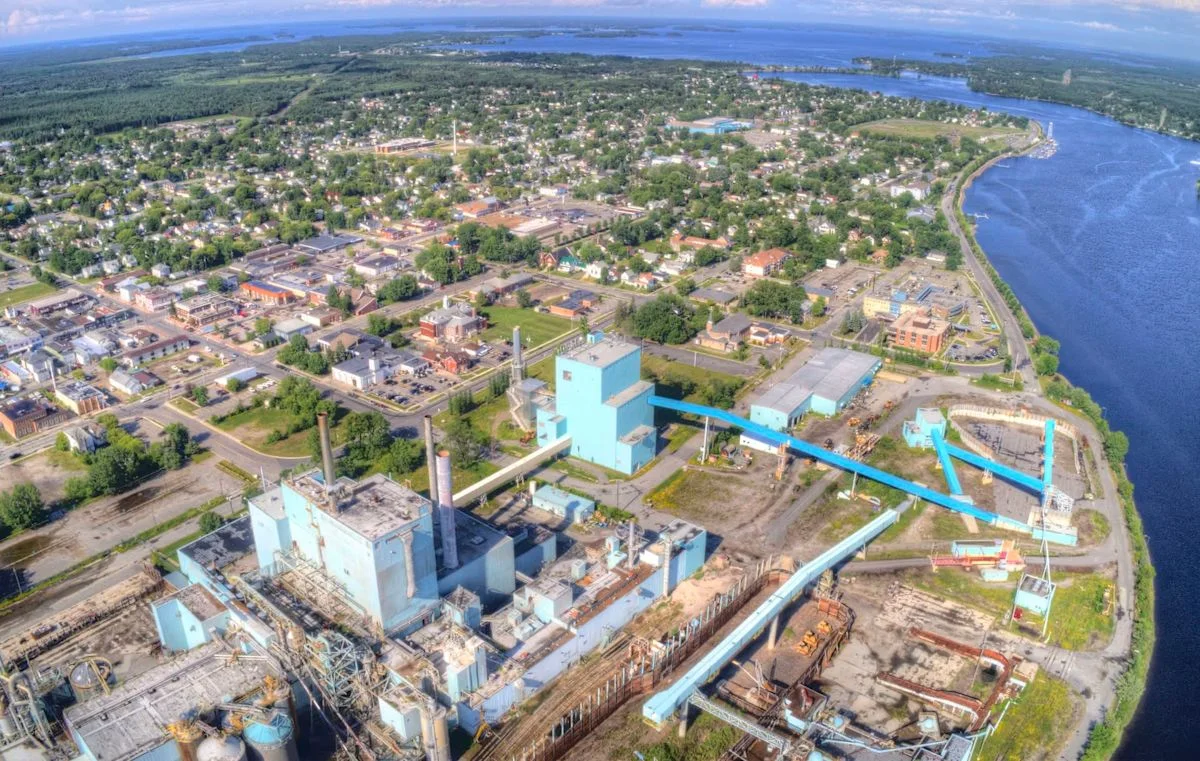
Fort Frances, Ontario, is concerned the proposed Twin Metals mine near Minnesota’s Boundary Waters could put its drinking water at risk. The town relies on Rainy Lake, and its infrastructure manager says the treatment plant cannot handle contamination mining could cause.
Congress voted in April 2026 to end a 20-year moratorium affecting part of Minnesota’s Superior National Forest, and President Donald Trump signed it into law, potentially reopening the door to the proposed Twin Metals copper-and-nickel mine. In August 2026, Minnesota Gov. Tim Walz ordered state agencies not to issue leases or permits for non-iron mining in the watershed while existing leases, including Twin Metals’, are reviewed.
Fort Frances has about 7,500 residents, and its treatment plant also supplies Couchiching First Nation and other communities. Sulfide-ore mining can release sulfuric acid and heavy metals; sulfate can harm culturally important wild rice and help convert mercury into methylmercury, which accumulates in fish and people who eat them. Ontario municipal and Indigenous leaders oppose the project; the International Joint Commission says it has no enforcement authority and can act only if both countries’ governments ask.
