

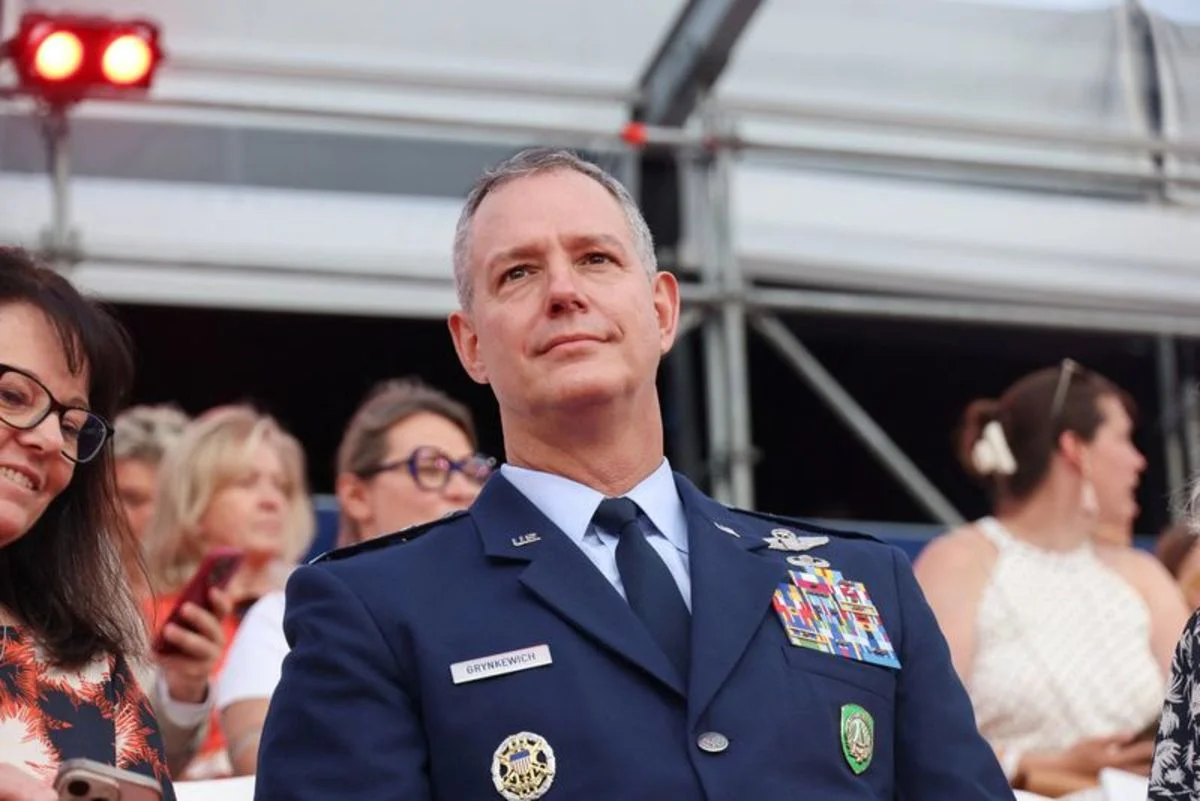
NATO is boosting intelligence-sharing in response to sabotage and other incidents apparently linked to Russia, the alliance’s top commander Alexus Grynkewich said. He said the alliance can manage threats; a limited Russian attack is unlikely but cannot be ruled out.
Grynkewich pointed to an attempted drone attack at Germany’s Leipzig/Halle Airport and a Russian ship firing flares toward a Danish military helicopter. Denmark’s defense intelligence service said Russia was likely to intensify hybrid warfare—attacks below the level of conventional military conflict—in coming months, and assessed a limited attack on one or more NATO countries bordering Russia as a low but growing risk. Moscow has repeatedly denied involvement in hybrid warfare or sabotage in NATO countries and denied plotting a confrontation.
The wider NATO reshuffle is in line with US President Donald Trump’s demands for Europeans to take greater responsibility for security. A British Army general is taking over NATO’s Joint Force Command Norfolk from a US Navy vice admiral; the command oversees operations in the Arctic and northern Europe and protects transatlantic resupply routes. Grynkewich said the US would continue to provide “critical but more limited capabilities.” He said there was no predetermined decision on how many troops would remain or which capabilities might relocate; about 80,000 US troops are currently based in Europe.
