

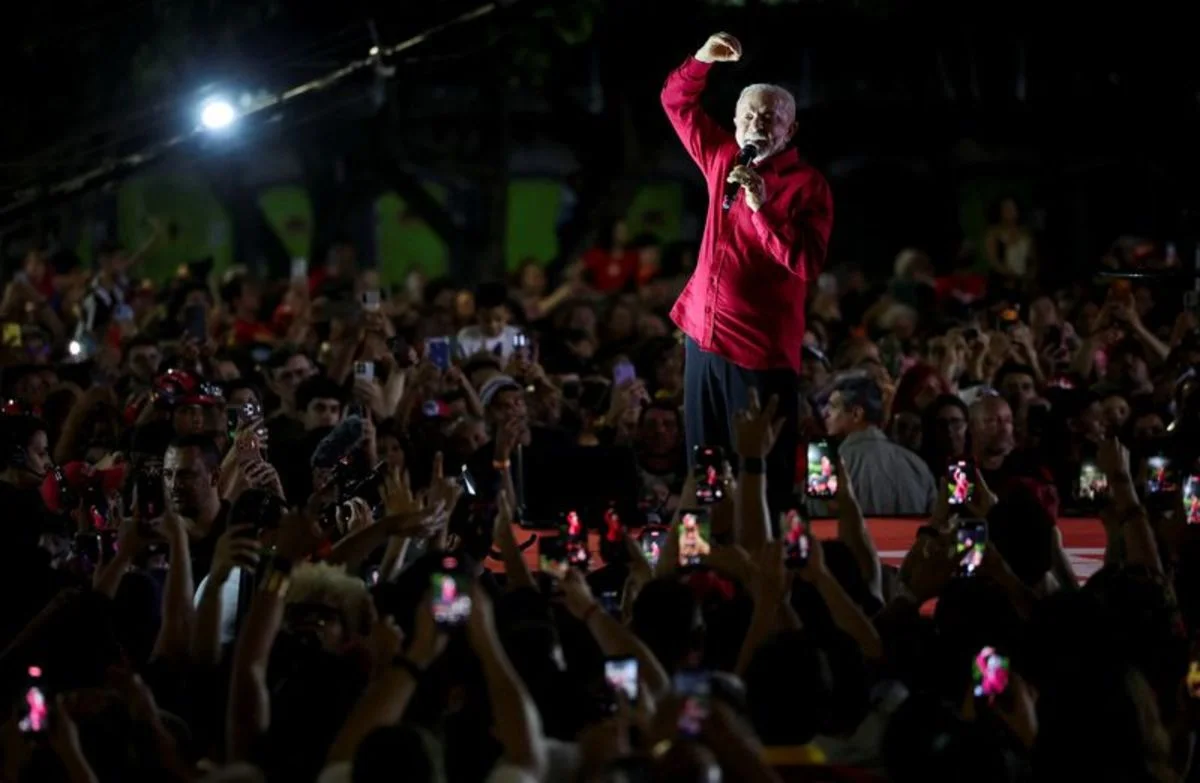
Brazil’s leading candidates Lula and Flávio Bolsonaro offer different fiscal timelines but leave politically costly measures unspecified. Lula’s team targets a primary surplus of about 1.3% of GDP by 2030; Bolsonaro’s team pledges an adjustment of about 1.5% of GDP in 18 months.
Gross public debt reached 82.5% of GDP, up more than 10 percentage points during Lula’s current term. Brazil’s nominal deficit is 9.3% of GDP, compared with a 5.8% average projected by the IMF for emerging economies this year; interest payments are its largest driver. Economists say mandatory outlays, especially pensions and social benefits, have squeezed investment room and challenge both plans.
Lula’s advisers are considering changes to rules linking health and other spending increases to revenue, reviews of programs including the BPC benefit for older people and people with disabilities, reductions in tax breaks and higher taxes on top earners. Bolsonaro’s team is weighing a constitutional framework to constrain spending growth based on gross debt, but has not defined a sustainable debt level. Bolsonaro has also promised to reverse some tax increases, including on financial transactions; advisers have discussed asset sales and privatizations. Brazil votes Oct. 4, with a runoff on Oct. 25 if no candidate wins a majority.
