

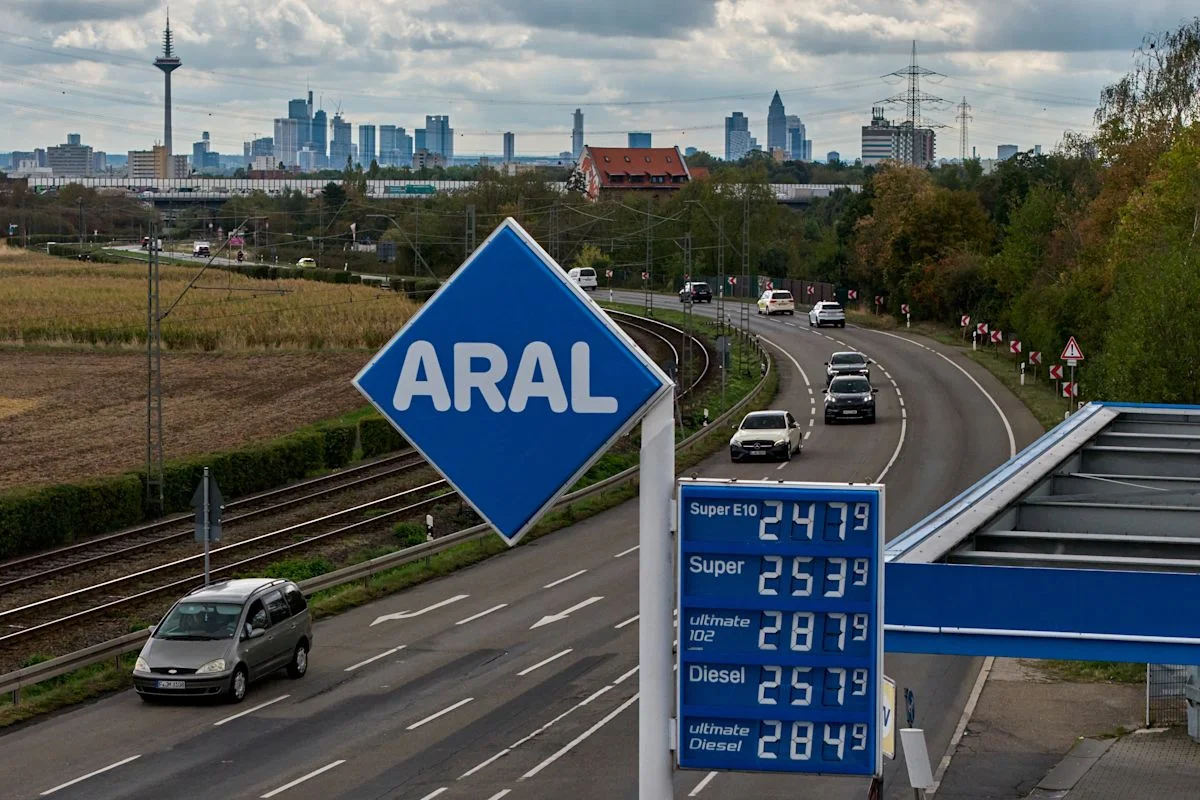
Across Europe, governments are using subsidies and tax cuts to cushion record gasoline and diesel prices amid the Iran and Ukraine wars. The OECD says seven of the 10 countries most active in relief are in the EU, which imports 57% of its energy needs.
France's €450 million package makes 5.5 million workers eligible for means-tested €100 fuel payments through year-end if they drive over 30 km round-trip to work or over 8,000 km annually for work. It extends fuel aid for farmers, fishers and construction firms and brings forward €48–€277 energy vouchers for 5.8 million households. Germany will cut fuel taxes by 17 cents a liter from Oct. 1 through year-end, at a €2.5 billion cost. Spain extended fuel-tax cuts and industry subsidies; its cut is 5 cents per liter this month, rising to 20 cents if annual fuel-price inflation exceeds 15% year-on-year.
Other measures include half-price train tickets in Lithuania; higher gambling taxes to fund relief in Greece; delayed coal-plant demolitions and less paperwork for oil and gas projects in Italy; expanded home energy-saving services in the Netherlands; and a Polish proposal to tax record profits at some fuel firms. EU leaders temporarily gave member states more discretion to provide state aid and limited spending-rule flexibility for energy-security investments. The bloc is lobbying Washington against a possible U.S. diesel-export suspension, which the European Commission says could hurt both sides.
