

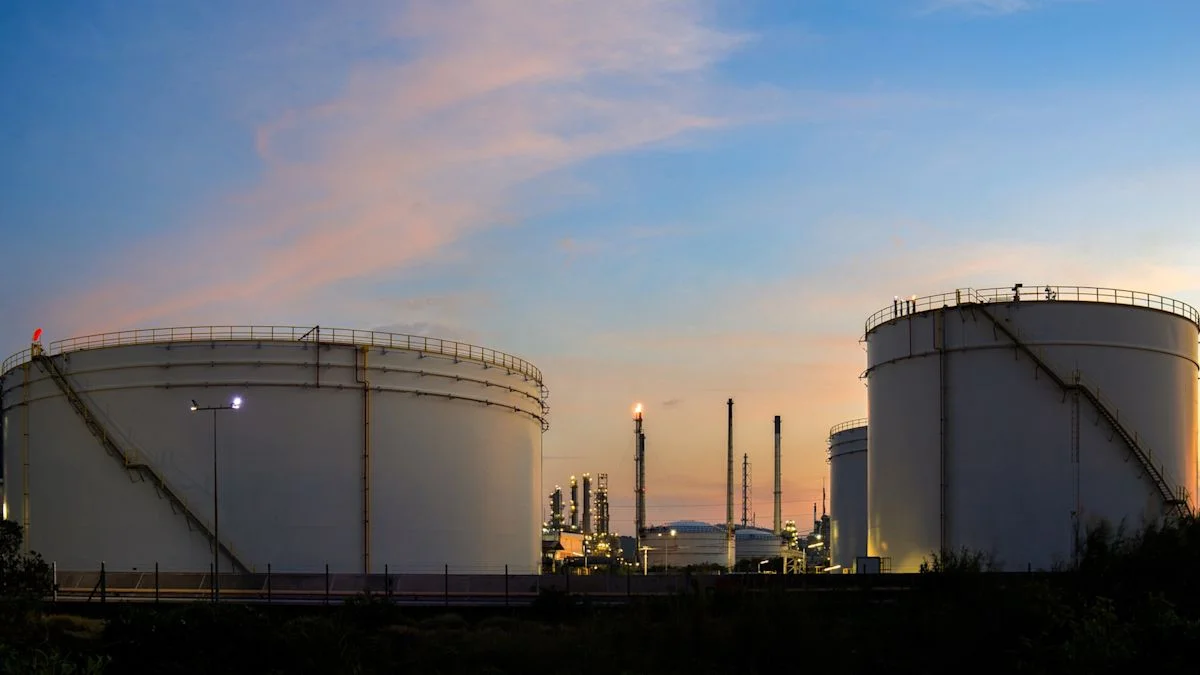
Interesting Engineering reports a Chinese team's membrane method used 91% less energy than standard distillation in tests. It separated a 15-component light naphtha mixture into three product groups, with 85%–90% recovery; performance at industrial scale remains unproven.
The researchers at the Dalian Institute of Chemical Physics used specially designed metal-organic framework membranes as molecular sieves. The membranes separate oil components by molecular size and chemistry, rather than relying on the repeated heating and cooling used in distillation.
Commercial refineries operate continuously under harsh conditions, so researchers still need to test whether the membranes retain their efficiency, selectivity and durability at industrial scale. Lower operating costs and emissions are potential benefits if the method can be scaled up, not outcomes demonstrated by these tests.
