

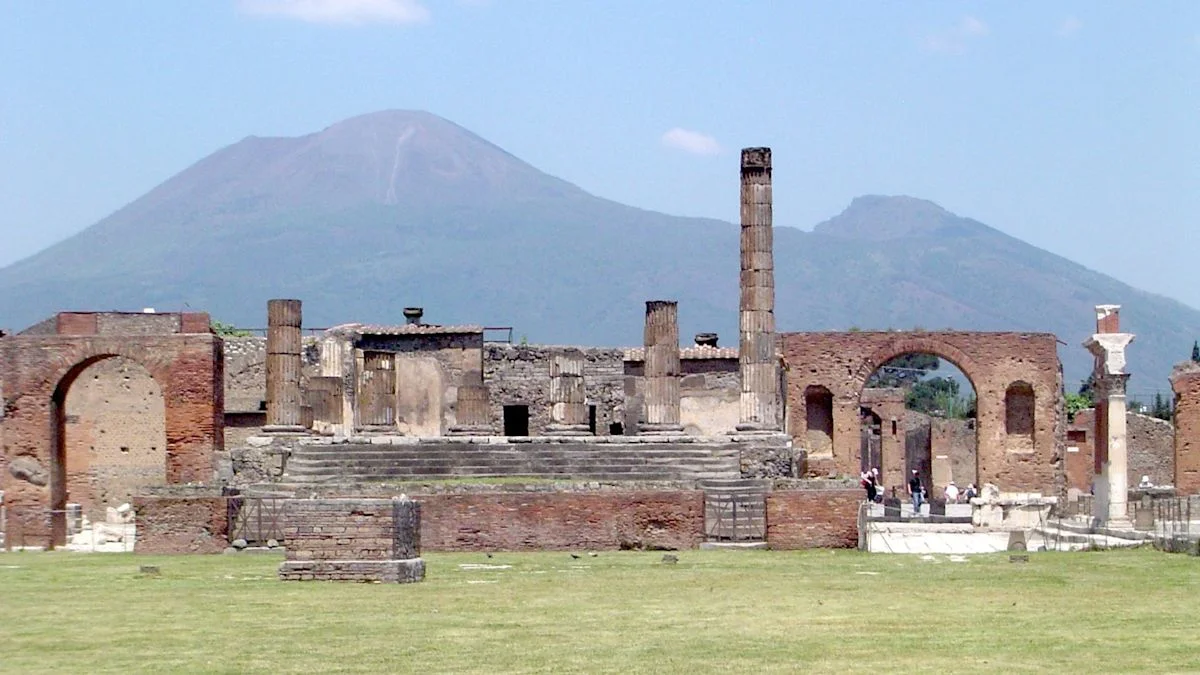
Researchers calibrated argon-argon dating against Vesuvius’s historically inferred Aug. 24, 79 CE eruption date. Tests put the Pompeii-burying eruption at 1,938 years before 2025, give or take 13 years, compared with 1,946 years in historical records.
Researchers tested eight samples of sanidine, a potassium-rich volcanic mineral, and reported 0.7% precision and 0.4% accuracy. The recalibration also yielded a potassium-40 half-life of 12.044 billion years, plus or minus 0.088 billion—about twice as precise as the earlier value derived from nuclear physics alone.
Some historians had argued for a fall 79 CE eruption based on a Pompeii coin they believed could only have been minted in September. Caroline Hasler compared it with other Roman currency and concluded it was more likely struck before September, supporting the traditionally cited Aug. 24 date to within about two months. Researchers say the improved method could sharpen dates for past eruptions and other geologic events and help validate carbon-14 and uranium-lead dating.
