

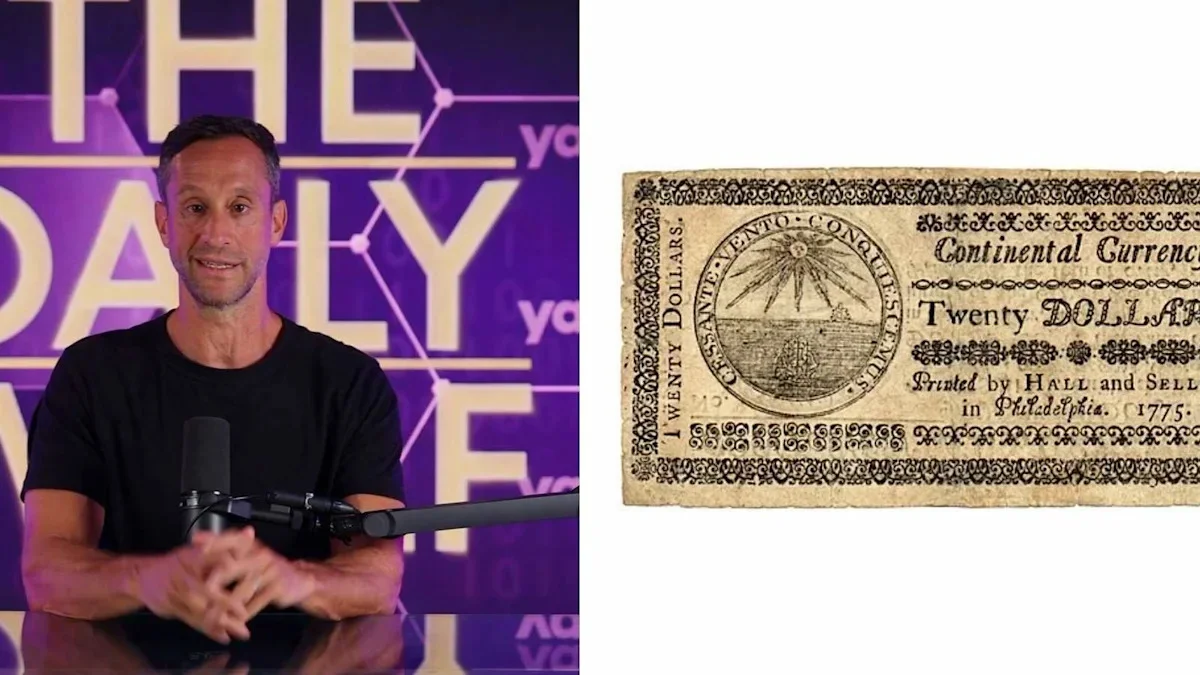
Scott Melker’s video traces U.S. currency strains from Continental dollars issued to fund the American Revolution—which depreciated as issuance rose and confidence fell—to President Richard Nixon’s 1971 end to foreign governments’ ability to exchange dollars for U.S. gold.
Melker contrasts that history with Weimar Germany, where he says war debts, reparations, political instability and the Ruhr occupation preceded money creation as the government supported striking workers amid disrupted production. By late 1923, a U.S. dollar cost about 4.2 trillion marks, according to the video.
Under Bretton Woods, other major currencies were fixed to the dollar, and foreign governments could exchange dollars for U.S. gold at $35 an ounce. Melker calls the tension between global demand for dollars and the U.S. ability to redeem them the Triffin dilemma; he says gold reserves came under pressure and foreign governments questioned convertibility by the late 1960s.
