

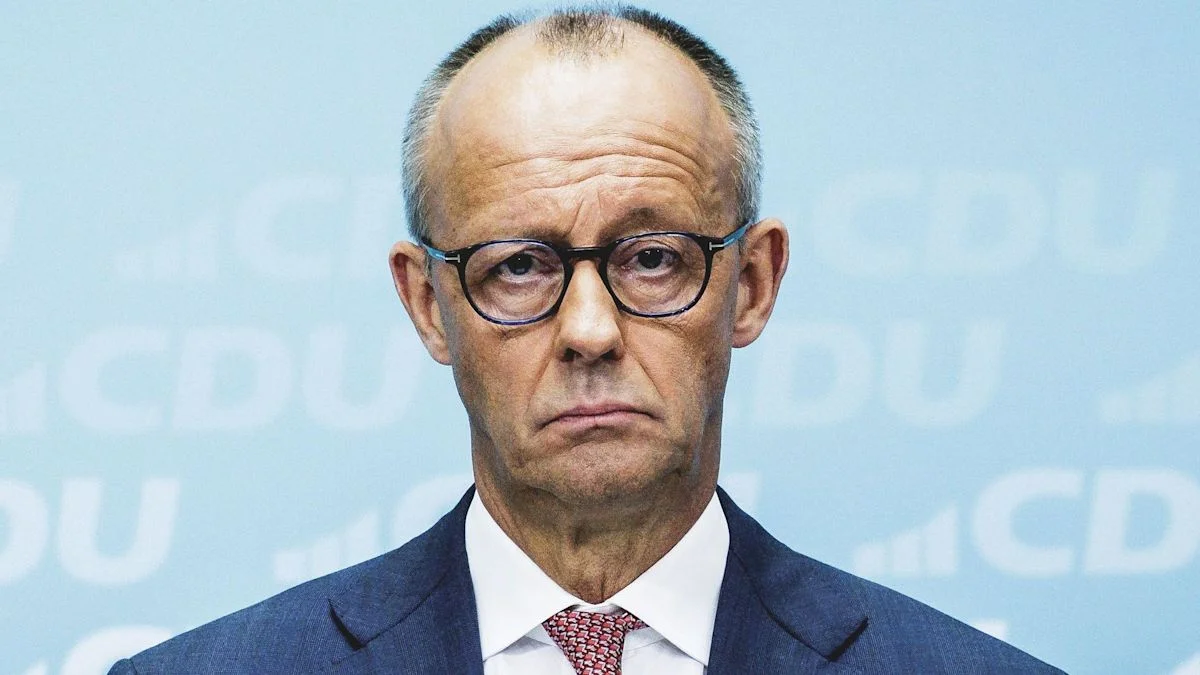
Merz’s CDU fell short of first place in Berlin, suffered a heavy setback in Saxony-Anhalt and was shut out of parliament in Mecklenburg-Western Pomerania. The defeats have deepened pressure on his coalition, but no CDU rival has openly challenged him.
The AfD won its third-ever state-election victory in Mecklenburg-Western Pomerania and tops nationwide polls at around 28%. Security officials are alarmed by its Russia-friendly stance, and domestic intelligence classifies some regional branches as right-wing extremist. In Berlin, Die Linke topped the polls; it faces antisemitism allegations, and its leadership says it is committed to protecting Jewish life.
Merz took office in 2025 promising tougher immigration measures and an economic revival. Economic institutes this week raised growth forecasts for 2026 and 2027 to above 1%, while illegal entries into Germany and Europe were down year on year. Still, households and businesses face high energy costs, fears persist that China is cannibalizing German industry, and immigration concerns now focus more on public safety, welfare costs and integration. CDU ally Jürgen Hardt argued a change of chancellor would leave the same challenges; Merz’s supporters called for reforms with the SPD and better communication.
