

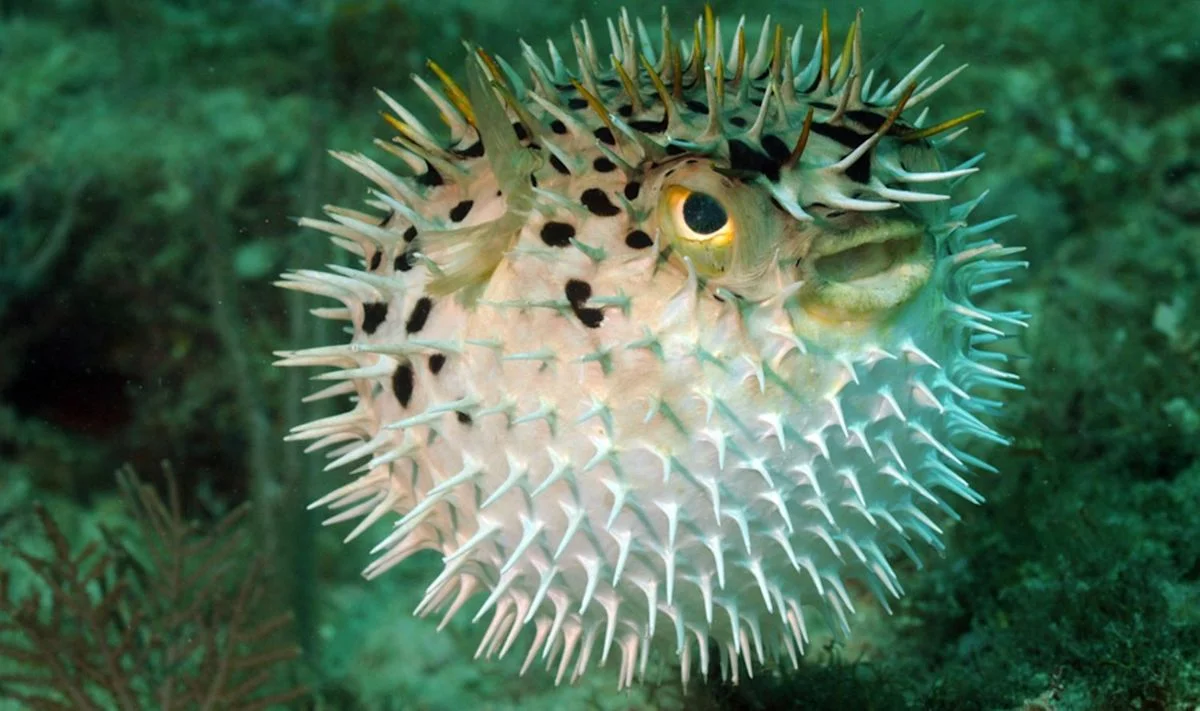
With 260 μg of tetrodotoxin in nested liposomes, rat tests found median sensation recovery around day 13; full sensation returned over two to three weeks. A commercial comparator's nerve blocks lasted four to eight hours. This remains preclinical, not a human treatment.
The study, published Sept. 23 in Nature Biomedical Engineering by researchers at Boston Children's Hospital and Harvard Medical School, reported median sensation recovery at about 6.5, 11 and 13 days with 80, 200 and 260 μg, respectively. No local or systemic toxicity was observed at the tested doses. The team proposed that the nested lipid compartments slowed tetrodotoxin's release.
Kohane told News-Medical.net that the approach could support longer-term perioperative pain control as an opioid alternative; he said the team was beginning to consider chronic-pain applications. He also said the platform could potentially deliver other water-soluble molecules. Tetrodotoxin remains a potent neurotoxin, and rat findings do not establish human safety. Clinical use would require further toxicology, dose optimization, immune-response studies, manufacturing development and controlled human trials; the article said no independent replication was identified in sources it reviewed.
