

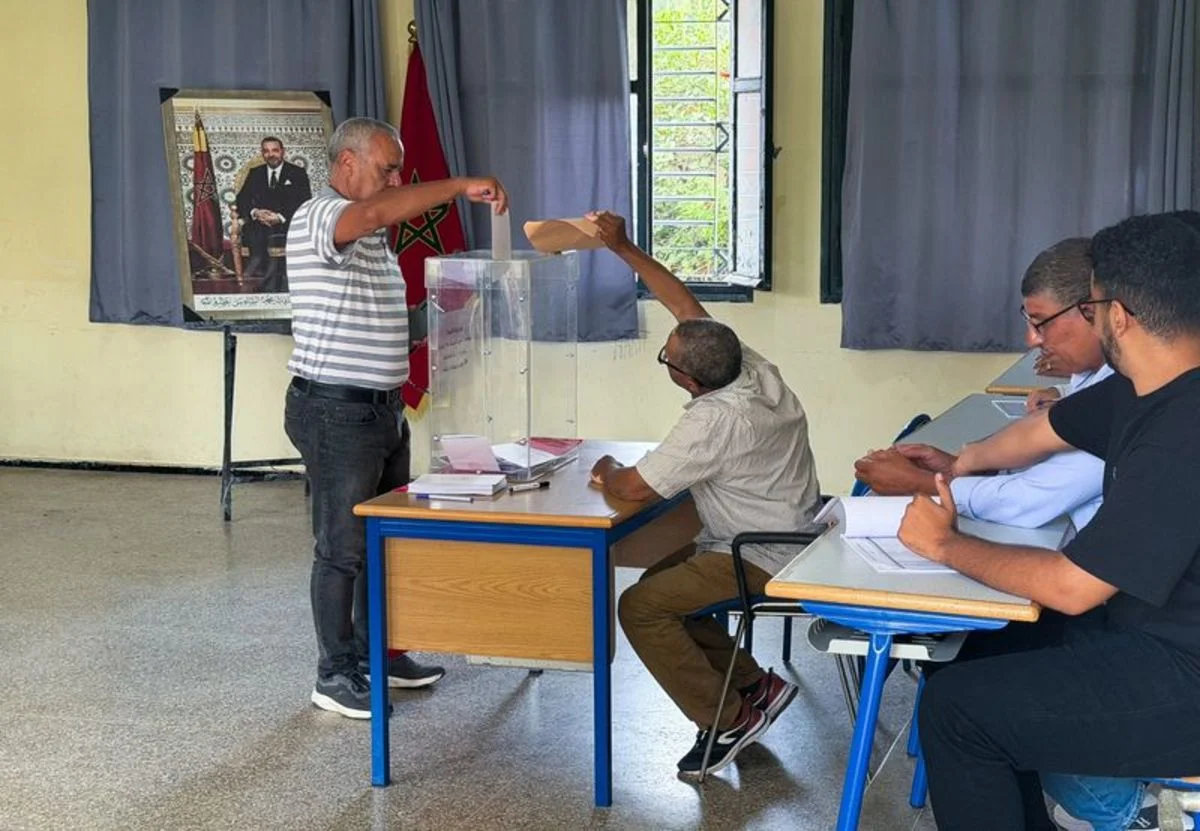
Morocco’s interior ministry reported turnout of 38.02% in Wednesday’s parliamentary election, down from 50% in 2021. Counting was still under way; 15.8 million people were registered to vote, among about 27 million of voting age.
The vote will shape the government overseeing preparations for the 2030 World Cup, which Morocco will co-host with Spain and Portugal. The IMF estimates planned spending on stadiums, railways and other infrastructure at about $20 billion. The next parliament is also tasked with initiatives aimed at addressing youth discontent. The king retains broad powers over policy, defence and foreign affairs and, under the 2011 constitution, appoints the prime minister from the party winning the largest share of the 395 seats.
The ruling National Rally of Independents (RNI) and Authenticity and Modernity Party (PAM), currently coalition partners, each pledged about 1 million jobs over the next five-year term, as well as improvements to housing, wages and hospitals. They traded blame over rising food prices, and PAM leaders ruled out joining another coalition with RNI if it comes first. Prime Minister Aziz Akhannouch is not standing again after stepping down as RNI leader this year.
