

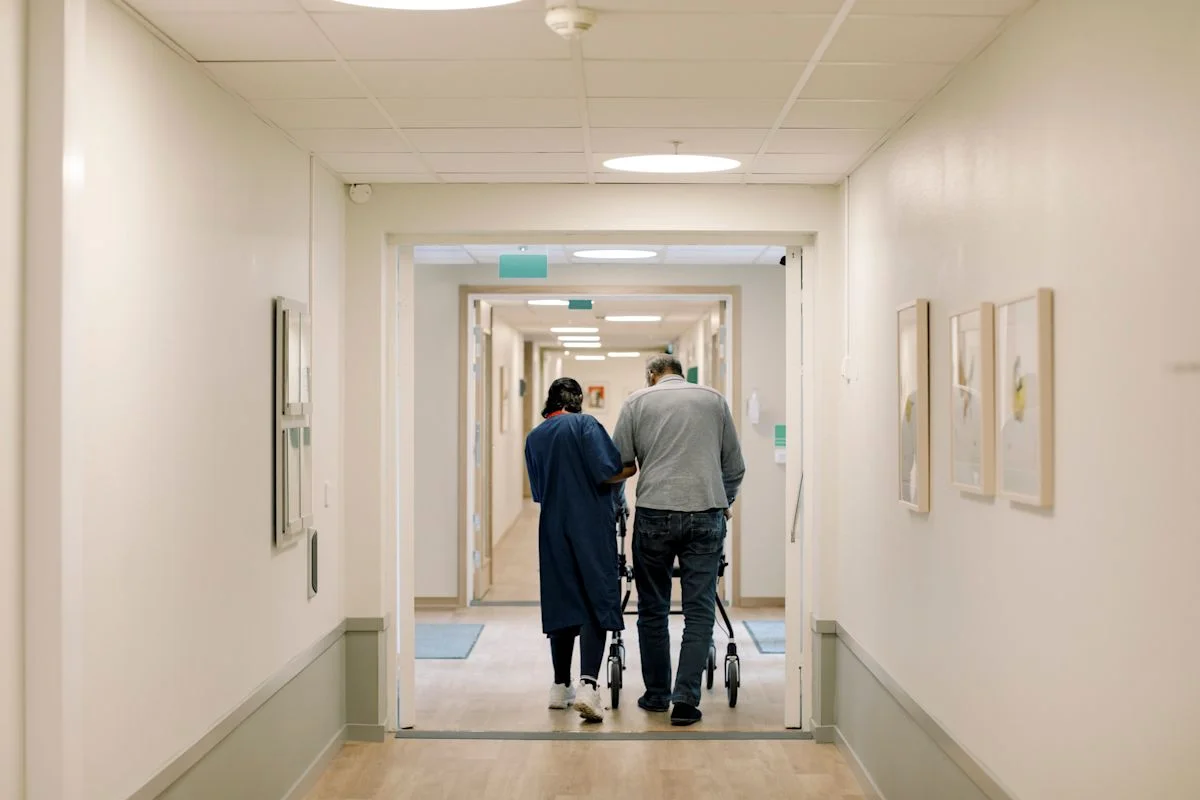
Older adults who lose housing after serious illness can wind up in nursing homes despite not needing that level of care, as shelters and supportive housing fall short. United Health Foundation research estimates that one in 11 nursing-home residents have low-care needs.
Nursing-home care averages $119,340 a year, compared with about $16,000 per person annually for subsidized permanent supportive housing. That housing has an average waitlist of more than two years and may not be accessible to older adults with mobility issues; shelters often have bunk beds, bathrooms not designed for people with disabilities, and require residents to leave each morning. The author says the Trump administration’s shift toward time-limited transitional housing is expected to lengthen waitlists and could displace some formerly homeless older adults.
Researcher Dennis P. Culhane says one in five people living in emergency shelters or on the streets in 2025 was 55 or older; AARP surveys find three in four older adults want to age in their homes and communities. Geriatrician Jeffrey Farber envisions subsidized, age-friendly housing for older adults with manageable conditions, and transformed, adequately funded nursing homes for people with complex medical needs.
