

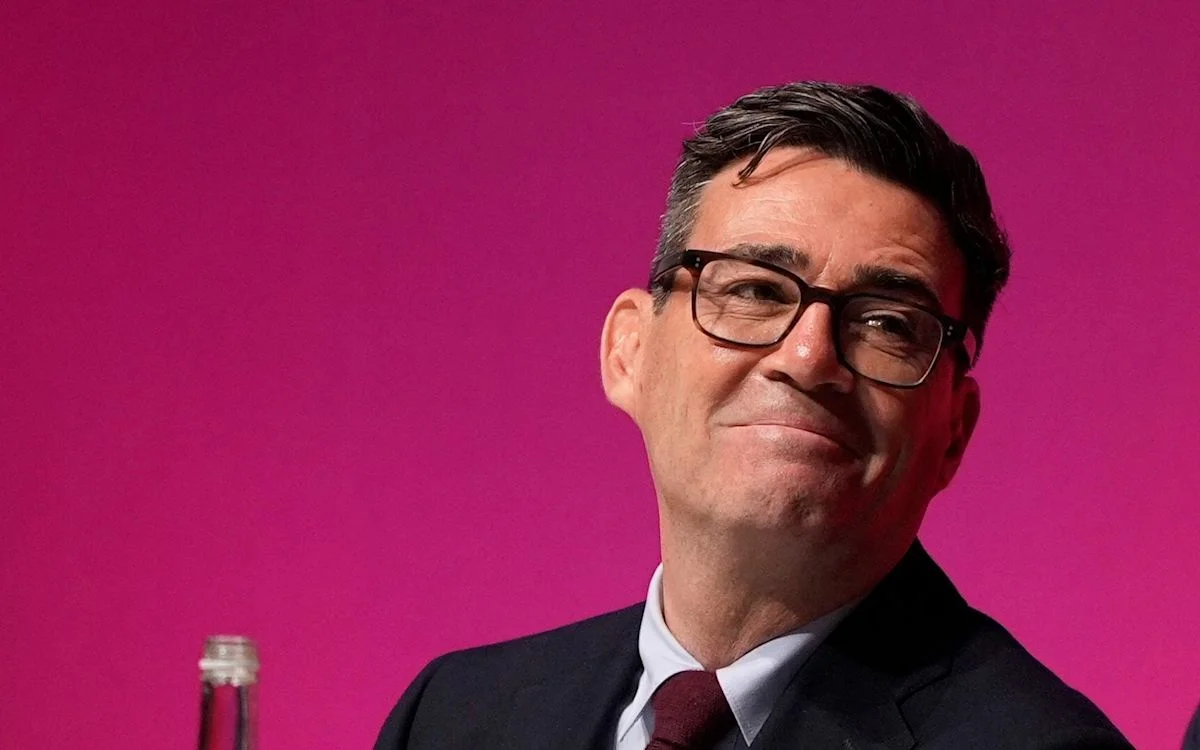
Andy Burnham says NHS-style social care in England should cover everyone, with all contributing; the proposal's principles are due to be outlined Tuesday. The Health Foundation estimates universal care could need around £18bn in extra funding by 2035, but Burnham rejects it.
England's means-tested system generally covers people who need care and have assets below £14,250; those with more than £23,250 must pay all their own costs, while those between receive some help. The Government estimates one in seven people aged 65 or over face bills above £100,000. A separate Scottish-style option—free basic personal and nursing care regardless of wealth—is estimated to cost £6bn a year if introduced now, rising to £7bn by 2035.
Burnham argues the current crisis already costs the NHS and taxpayers through blocked beds and corridor care. King's Fund analyst Simon Bottery says substantial savings from reform are unlikely: delayed discharges are estimated to cost about £2.7bn a year, and not all of that stems from social-care problems a better service could solve. The Conservatives have ruled out tax rises; Labour's Darren Jones has suggested changing the state pension's triple lock, but former pensions minister Steve Webb says savings from ending it would fall far short of funding free care in the short term.
