

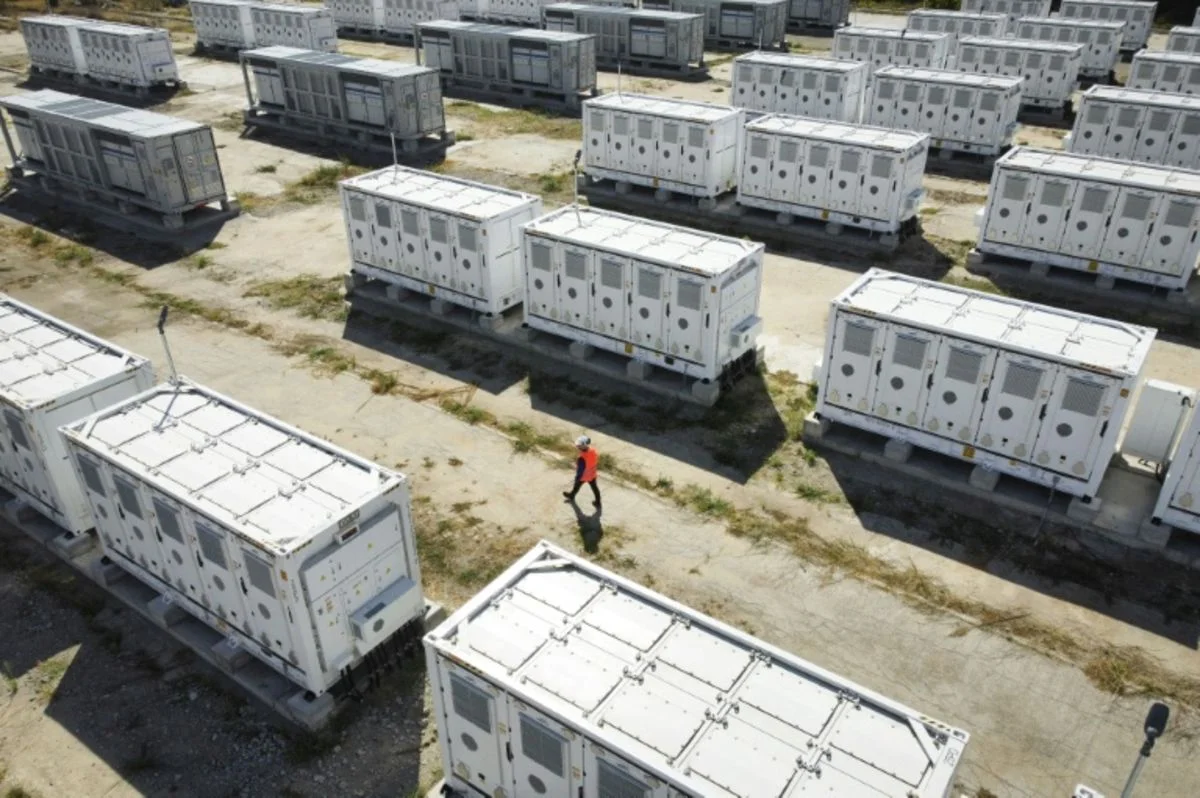
About 100 battery-storage sites have helped Bulgaria balance solar surpluses as exceptionally low Danube levels disrupt nuclear and hydro generation in Eastern Europe. July and August net exports reached about 830 GWh per month, more than twice the May–June average.
The energy ministry said Bulgaria had about 5.7 GW of operational battery-storage power capacity, nearly a quarter of the country’s installed generation capacity and more than five times Romania’s operational battery capacity. Businesses have contracted for nearly 14 GWh of large-scale storage, some already online. Romania accounted for nearly half of Bulgaria’s outward electricity transfers in July, with those flows valued at an estimated €74 million. Experts cite low administrative hurdles, EU funding and a receptive clean-energy market. Electricity association president Nikola Gazdov said large battery projects can be up and running in nine to 18 months.
At Maritsa East 3, once Bulgaria’s second-largest coal-fired plant, coal operations were sharply cut in 2024 and grid infrastructure was repurposed for batteries. Vassil Shtonov, ContourGlobal’s Bulgaria chief, said the country should retain a minimum coal-fired reserve for severe winters or gas-supply disruptions. FfE researcher Lennart Herrmann said batteries typically store power for one to six hours, sometimes up to eight, and cannot replace a nuclear reactor taken offline by drought. Limited cross-border capacity restricts flows, while more storage could narrow the low-to-peak price gap, reducing operator profits. The ministry says storage must be paired with grid investment.
