

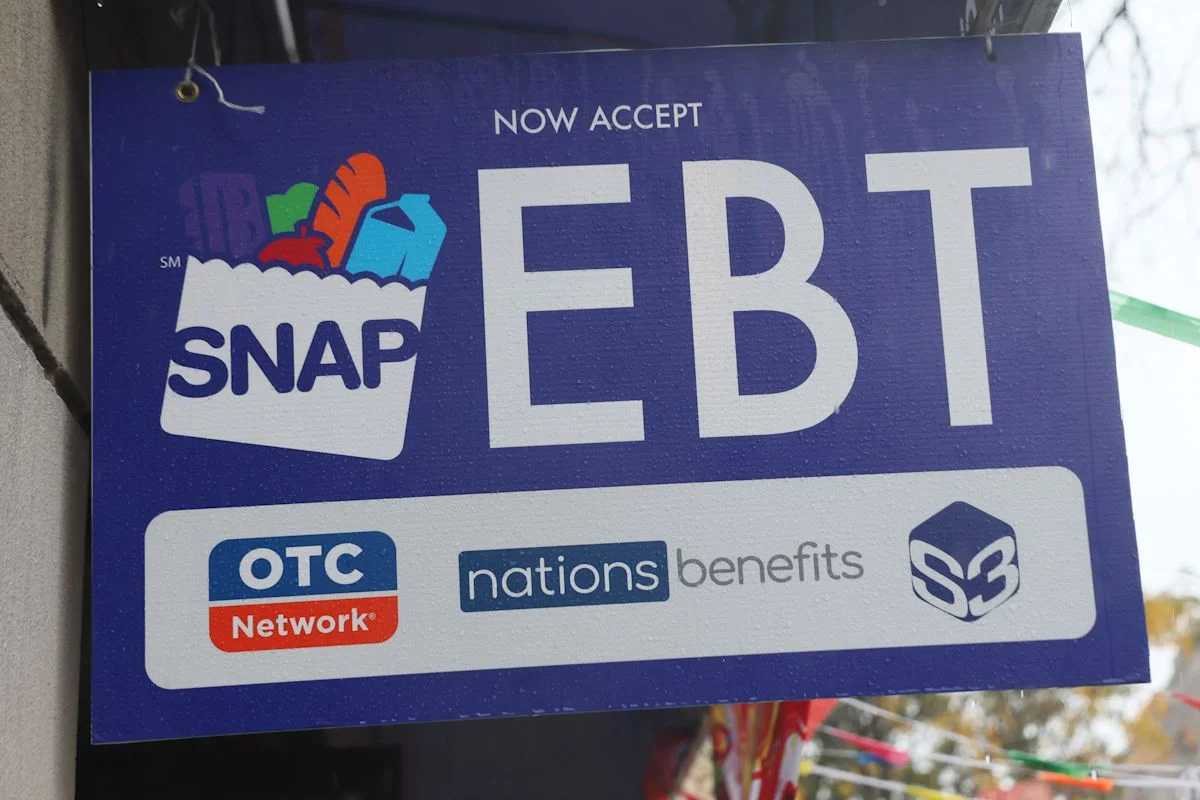
From Oct. 1, the maximum monthly SNAP benefit for a family of four in the 48 contiguous states and Washington, D.C., rises to $1,023, about 3% higher. Most households receive less: SNAP subtracts 30% of household net monthly income from the maximum.
Maximums vary in Alaska, Hawaii, Guam and the U.S. Virgin Islands. Hawaii’s maximum falls to $1,655 from $1,689 as USDA phases in a lower food-cost estimate. The four-person monthly gross-income limit in the contiguous states and D.C. rises to $3,575 from $3,483; most households must meet both income tests. Standard deductions for households of one to three rise to $217 from $209; the shelter deduction cap goes to $769 from $744. The asset limit stays $3,000, or $4,750 if a member is 60 or older or disabled. With $1,000 net monthly income, a family of four would get $723.
CBPP says participation fell by about 5 million people (12%) from July 2025 to May 2026; it notes the decline predated the law but accelerated afterward. The law expanded the 80-hour monthly work rule to ages 18–64 from 18–54, ending exemptions for veterans, people experiencing homelessness and young adults who recently aged out of foster care. From Oct. 1, states’ share of SNAP administrative costs rises to 75% from 50%; USDA estimates a $16.9 billion shift in costs to states over five years. FRAC urged delaying the change beyond October; USDA projects negligible effects on benefit spending or participation.
